In brief
Greenland's mineral wealth, especially rare earths, is overshadowed by environmental issues and extreme weather, as residents and politicians prioritize sustainability over industrial gains.
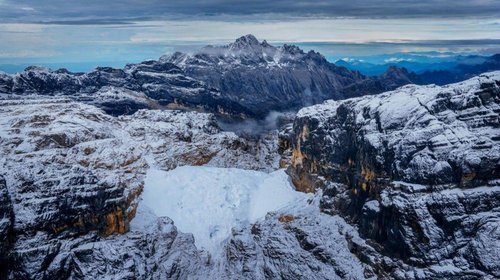
More than a decade ago, Canadian miners prospecting for diamonds in western Greenland discovered a significant resource known as the White Mountain deposit, consisting of anorthosite - a mineral useful in various industries. However, the potential for industrial booms in Greenland is tempered by harsh Arctic conditions and growing environmental concerns.Bent Olsvig Jensen, managing director of Lumina Sustainable Materials, a company operating near this deposit, highlighted the operational challenges faced. The Arctic environment poses limitations, such as extreme temperatures that can affect machinery, and severe weather that disrupts transportation and communication. He cautioned against viewing Greenland as a land of boundless mineral wealth, noting that while multiple exploratory projects exist, only two mines are presently operational.Greenland's political landscape adds another layer of complexity. The island's political party, which rose to power on an environmental platform four years ago, has curtailed ambitious mining projects on ecological grounds, notably shutting down one linked to their strategic partnership with China. At the heart of these discussions is a debate over the future of industrial activity within a fragile ecosystem, as local sentiments increasingly lean towards cautious management of natural resources rather than aggressive extraction efforts.As international interest in Greenland's strategic minerals grows, stakeholders must reckon with the island's ecological balance and the voices of its indigenous citizens who are skeptical of a mining boom that may come at too high a cost.