In brief
The Ministry of Employment and Labor in South Korea has dismissed claims of workplace harassment from K-pop group NewJeans, stating that celebrities do not fall under the definition of "workers" according to labor laws. This decision has led to significant backlash as fans rally for reform in the high-pressure entertainment industry.
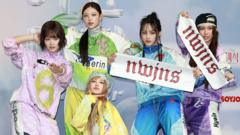
The South Korean government has stirred controversy following its declaration that K-pop idols, including the immensely popular group NewJeans, are not classified as workers under local labor laws. The Ministry of Employment and Labor rejected claims of workplace harassment made by band member Hanni, asserting that celebrities do not meet the legal criteria for worker status. This ruling has been met with widespread public outrage and has intensified discussions around labor rights in the entertainment industry.NewJeans, a five-member girl group formed by label Ador in 2022, has taken the music scene by storm, selling more albums than any other K-pop girl band last year. However, the group has recently been caught up in a public battle with their label, leading to allegations of mistreatment. During a recent YouTube livestream, the members expressed concerns about their treatment, with Hanni alleging hostile behavior from executives of their record label, Hybe.The government's stance stems from the contention that idols, such as Hanni, are considered independent contractors rather than employees. Senior legal officials indicated that to be classified as a worker under the Labor Standards Act, certain criteria must be met, including fixed working hours and direct employer supervision. Additionally, the nature of income earned by celebrities, which tends to be categorized as profit sharing, further reinforces their classification as independent contractors.Critics of the ruling emphasize that the demanding schedules and conditions faced by K-pop idols contradict the notion of independent contracting. Experts claim that the grueling hours, often exceeding 14 a day, coupled with a lack of regulated breaks, lead to significant exploitation and stress for these performers, especially in a competitive industry notorious for its stringent standards. The consequences of this ruling are stark, with many advocating that the absence of legal protections for idols point to a dire need for reform within the entertainment sector. Proposals circulating include the implementation of a Talent Agency Act similar to that in Hollywood, which is designed to protect the rights of artists and prevent exploitative contracts.In the wake of the controversy, fans have taken to social media, rallying under the hashtag "IdolsAreWorkers" to advocate for better treatment of artists. They argue that the decision highlights systemic issues within the industry, while simultaneously calling for more robust legislative measures to safeguard the rights of K-pop stars in South Korea's challenging entertainment landscape. As of now, Hanni has not publicly responded to the ministry's decision, leaving fans eagerly awaiting her thoughts.