

Unmanned Marine Rescue: US Sea Drone Picks Up Helicopter Crew Off Oman
At dawn on Tuesday, a U.S. Army Apache was shot down by an Iranian missile near Oman’s Strait of Hormuz. Two soldiers were stranded in the water until a sea‑drone, part of the Navy’s Autonomous Fleet, arrived and rescued them.
The vessel, the 24‑ft “Corsair” from Saronic, can carry 1,000 lb and travel over 35 knots. It carries a 360‑deg camera, radar for navigation and a radio sensor for intelligence. “It’s basically a fishing‑boat‑sized platform that can support three or four people,” says Bryan Clark of Hudson Institute.
Captain Tim Hawkins of U.S. Central Command said the drone was “manually controlled with a joystick for precision.” The soldiers boarded near 03:30 a.m., were moved to another platform, and then hoisted onto a helicopter for safe transport.
This is the first publicly documented rescue by an unmanned vessel, a milestone that reflects the Navy’s strategy to expand autonomous systems. The Corsair has been trialed in the Middle East since March and was awarded a $392 million contract last year.
Sea drones are now a staple in the Ukraine‑Russia war, where they are used in offensive “kamikaze” roles. Yemen’s Houthis and Iran also employ drone boats in the Strait of Hormuz. Yet none have been used for rescues until this incident, underscoring the operational flexibility of U.S. forces.
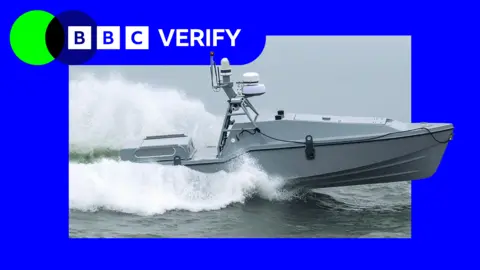
The rescue demonstrates that unmanned maritime assets can perform complex, life‑saving operations in hostile environments, setting a precedent for future missions where human crews risk capture or injury.

