Soldiers rattle in Kyiv after Ukraine sacked its defence minister
A wave of fury erupted on Thursday as Ukrainian troops in Kyiv expressed outrage over President Volodymyr Zelensky’s decision to remove Defence Minister Mykhailo Fedorov from his own cabinet. The move came after a brief tenure during which Fedorov boosted the army’s drone and AI capacities, an effort many soldiers hailed as the “digital revolution” on the battlefield.
“My operation is scheduled for tomorrow,” a wounded soldier recorded on Telegram, hoping Fedorov would return to the ministry. He added that “everything I fought for would turn to dust if the decision stands.” In another post, a front‑line veteran described his anger in plain terms: “It’s a slap against every service member who’s been fighting against the enemy.”
Soldiers—many of them wounded, some with permanent disfigurement—report that the dismissal is a “blatant slap in the face.” They fear that replacing Fedorov could undo the rapid modernization that has turned Ukraine’s small forces into a tech‑savvy army capable of punching above its weight class. The reforms were most visible in the quick mobilization of drone squads, the “Army of Drones: Bonus” scoring system, and the arrest of Russian cyber‑operators by the Ministry of Defence.
Syrskyi, the 60‑year‑old commander‑in‑chief, stands as a symbol of the old Soviet‑style command structure that many soldiers say doesn’t value the life of a combatant. “He commands no authority or respect,” said a veteran who chose the alias Andrii. He added that “the general is a ‘General 200’ in our minds—a nod to the high casualty rate.” While a few still respect Syrskyi for decisive actions early in the war, the majority prefer Fedorov’s progressive style of leadership.
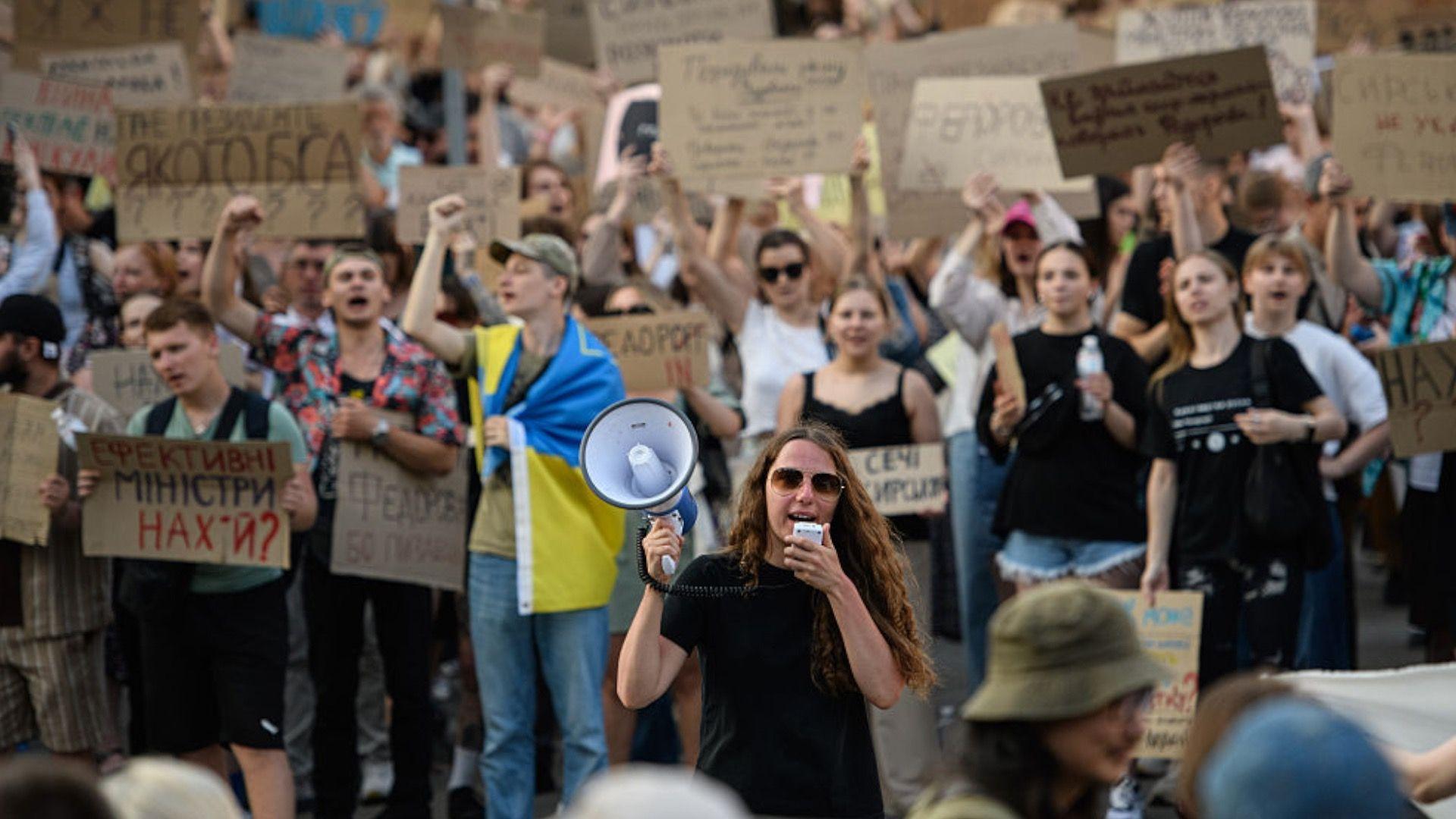
The fallout from Fedorov’s removal has prompted broader debate. Some observers warn that the move signals a shift toward a more authoritarian regime under Zelensky, and note that the president has a track record of eliminating popular officials. The backlash is reminiscent of the protests from last summer when the public rallied for the restoration of Ukraine’s anti‑corruption agencies.
The drone‑revolution core of Ukraine’s combat power, once integrated by Fedorov, is now at risk if new leadership fails to sustain momentum. With winter looming, enhanced cyber and air defence capabilities are crucial against any planned Russian offensive on critical infrastructure. The soldiers’ cry is clear: to safeguard what Fedorov built, the defence ministry must keep its chief at the helm or at least ensure he remains influential in policy decisions.