In brief
Ukrainian forces launched drone attacks overnight that struck St Petersburg’s main oil terminal and a Baltic Fleet naval base, officials say. No casualties were reported in the city’s massive drone barrage, and the Kremlin has yet to comment. The strike comes amid Ukraine’s push to cripple Russia’s fuel infrastructure, with claims that almost half of the country’s refining capacity has been disabled. Russia denies control of the eastern town of Kostyantynivka and warns that civilian targets will be targeted in retaliation. The incident marks a fresh escalation before next week’s NATO summit.
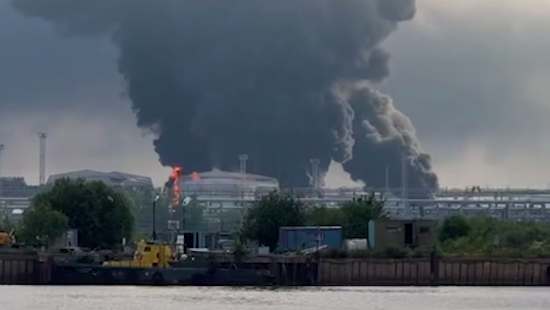
During the night of July 4, Ukrainian forces launched a wave of drone strikes that hit St Petersburg’s largest oil terminal, the military said. The site can process about 12.5 million tonnes of petroleum products a year, making it a key target for Moscow’s war economy.
Officials also reported that a key naval base of Russia’s Baltic Fleet in Kronstadt was struck in the same raid, according to Ukrainian statements.
St Petersburg governor Aleksandr Beglov said the city endured a massive drone barrage, with 72 drones intercepted and no casualties. Residents were warned to remain indoors until threats subsided.
The attack follows a sharp rise in long‑range drone activity that has reportedly disabled close to 43 % of Russia’s oil refining capacity, leading to fuel shortages that even the Kremlin has admitted.
Russia has not publicly commented on the claims, and Kremlin officials denied control over the eastern town of Kostyantynivka, citing infiltration by small infantry groups while maintaining Ukrainian authority there.
Amid escalating hostilities, President Putin sent a congratulatory note to US president Donald Trump for 4 July celebrations and has engaged in diplomatic outreach ahead of next week’s NATO summit in Turkey, while the next wave of Ukrainian strikes continues to target civilian and military infrastructure.