In brief
The Famine Early Warning System Network (Fewsnet), a crucial tool for predicting food insecurity and famine worldwide, has been shut down following President Trump's recent decision to freeze nearly all US foreign aid for 90 days, raising concerns about global food crises.
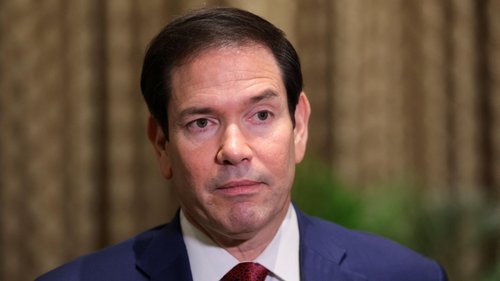
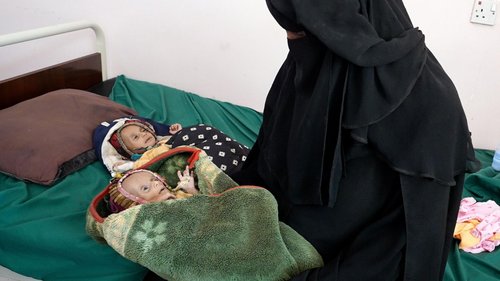
The United States has ceased operations of its Famine Early Warning System Network (Fewsnet), a vital resource for monitoring global food security, in the wake of President Donald Trump's order for a temporary halt on foreign assistance. The suspension affects a wide array of humanitarian initiatives, leaving many vulnerable populations at risk.Originally established after the devastating 1984 famine in Ethiopia, Fewsnet was designed to integrate meteorological data with political analysis, allowing aid officials to anticipate droughts and food shortages. This system played a significant role in responding to past crises, including a severe drought in the Horn of Africa in 2016, helping to implement timely aid interventions.However, the recent 90-day freeze, which excludes emergency aid and military support for Israel and Egypt, has created uncertainties within the global aid community. Sources indicate that the network's briefing services have been halted, and efforts to seek clarity from the US Agency for International Development (USAID) have gone unanswered.Dave Harden, a former USAID official, highlighted Fewsnet's importance, emphasizing that its operations enabled proactive responses during the 2016 food crises, significantly improving the outcomes compared to previous emergencies. Despite attempts by Secretary of State Marco Rubio to clarify which projects could be exempted from the freeze, confusion persists in the aid sector.Critics argue that the extensive stop-work orders may hinder critical famine monitoring that saves lives. Notably, while the freeze exempts certain humanitarian efforts, it appears to leave famine-tracking operations off the list. Prominent figures in the humanitarian field, such as Jeremy Konyndyk, have underscored Fewsnet's unparalleled capability in predicting food insecurity, noting its global utility.The ongoing freeze raises serious concerns regarding the US's commitment to international humanitarian efforts, particularly in light of pressing food crises that demand immediate attention. As the situation unfolds, the future of vital resources like Fewsnet hangs in the balance, with scholars and aid officials advocating for their restoration to avoid dire humanitarian consequences.