In brief
The United States has begun a series of “powerful” strikes against Iran following an alleged Iranian attack on U.S. bases in Jordan and vessels in the Strait of Hormuz. These new offensives come after a brief pause in hostilities and twin U.S.–Saudi strikes earlier this year that targeted Iranian proxies. President Donald Trump vows to hit Iran hard and stresses the inevitability of the response. Meanwhile, Iranian forces claim they targeted U.S. facilities while defending their interests in the Gulf. The escalation marks a significant flare‑up in a conflict that has persisted for five months amid regional rivalries.
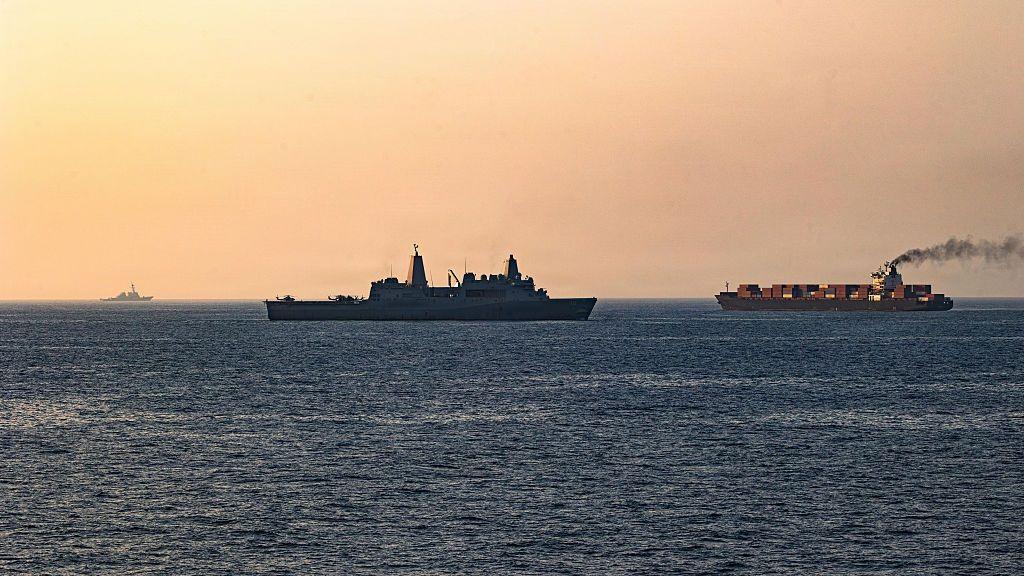
In a dramatic escalation, the United States has begun a “powerful” response to Iranian missiles fired at U.S. bases in Jordan and at oil tankers in the Strait of Hormuz. The U.S. Central Command (Centcom) confirmed on X that air and naval forces are targeting sites across Iran in retaliation for the “firing” by Iranian forces yesterday.
This follows a brief pause in hostilities, after which the U.S. and Saudi Arabia launched joint strikes earlier this month that damaged Iranian proxy positions in eastern Iraq. According to Centcom, the combined campaign hit “multiple terrorist logistics and weapons sites” and has been branded a strong reply to at least 30 IRGC‑directed drone strikes over the past 72 hours.
Speaking at the White House, President Donald Trump expressed his resolve to “hit them very hard” and stated that the attacks had come “after the Iranian forces asked us not to do it.” Trump urged that the U.S. would respond with decisive force, asserting that the war’s continuation had already spanned five months.
Iran’s Islamic Revolutionary Guard Corps (IRGC) claimed that it struck a U.S. air base and command centre in Jordan and that naval forces destroyed three oil tankers in the Strait of Hormuz after the vessels ignored warnings and sailed an “unsafe and illegal route.” The IRGC said the actions were in response to what it referred to as “acts of aggression” by the U.S. forces.
In Iraq, the Popular Mobilisation Forces—dominated by Iran‑backed Shia militias—reported that at least 20 of its members were killed in U.S.–Saudi strikes. The Iraqi presidency condemned the bombing of its bases on grounds of sovereignty violations, contrasting the U.S. narrative that the strikes were coordinated with the Iraqi government.
Amid these developments, the U.S. has maintained a steady pace of military targeting against Iranian weapon sites, while both presidents mentioned continuing diplomatic outreach. Saudi Arabia has signaled a desire to de‑escalate, whereas Tehran insists no negotiated talks are underway. As the conflict intensifies, global markets have surged with uncertainty over regional stability.