US government awards $3 million to Havana Syndrome victims
The U.S. Department of Defence announced today that it has disbursed nearly £2.2 million (US$3 million) to U.S. agency staff who suffered from Havana Syndrome, a mysterious neurological condition first reported by CIA officers in Havana in 2016.
The payment, authorized by the Havana Act signed into law in 2021, is the first time the U.S. has formally compensated diplomats, military and other staff for the illness. The affected personnel, who have reported symptoms such as a low‑frequency hum, clicks, alarms and a “grinding metal” sound, as well as intense pressure on the skull, dizziness and nausea, continue to be monitored by doctors and specialists.
What is Havana Syndrome?
The phenomenon emerged when embassy workers noticed odd sensations in mornings and evenings, followed by loss of balance and headaches. Over a decade, similar reports surfaced across U.S. missions around the globe—from Washington to China—prompting speculation that a foreign power may have employed a sonic or microwave weapon.
Government response
In a rare admission, the defence ministry stated it will continue to prioritise “the care of affected personnel” while investigating the roots of the syndrome. While intelligence experts last year considered it “very unlikely” that a hostile actor used a novel weapon, some specialists remain unconvinced that the explanation is purely accidental.
Former CIA analyst Erika Stith has described her experience: “My brain is broken,” she told CBS News in 2022, adding that “We got this as a result of serving our country and deserve to be taken care of.”
International impact
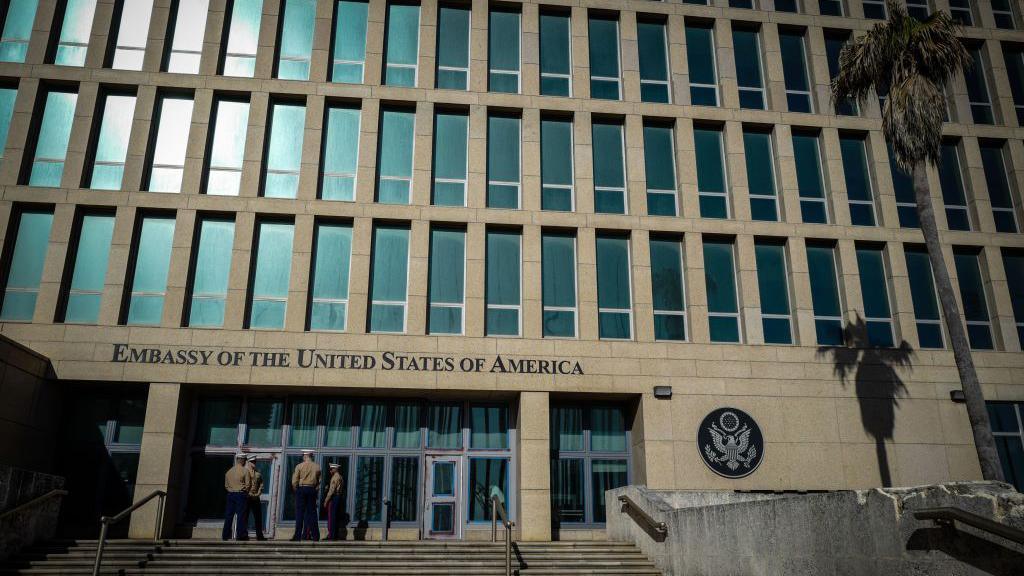
Following the spike of reports, the U.S. pulled more than half its staff from its Havana embassy in 2017, and Canada downsized its personnel there in 2019 after similar health concerns were raised.
The U.S. remains cautious yet open to further investigation as the mystery behind Havana Syndrome continues to unfold.