In brief
A BBC World Service probe uncovers chilling accounts of torture and sexual violence in secret prisons operated by Russian-backed forces in eastern Ukraine. Survivor Liudmyla Huseinova recounts her abduction, brutal treatment and eventual release, while investigators identify key guards such as Yurii Temerbek, Ruslan Yeriomichev and Andrey Spivak. The report maps 93 detention sites across occupied territories, highlights the lack of international oversight, and calls for accountability of the men whose crimes continue to haunt survivors.
This article contains accounts of torture and sexual violence.
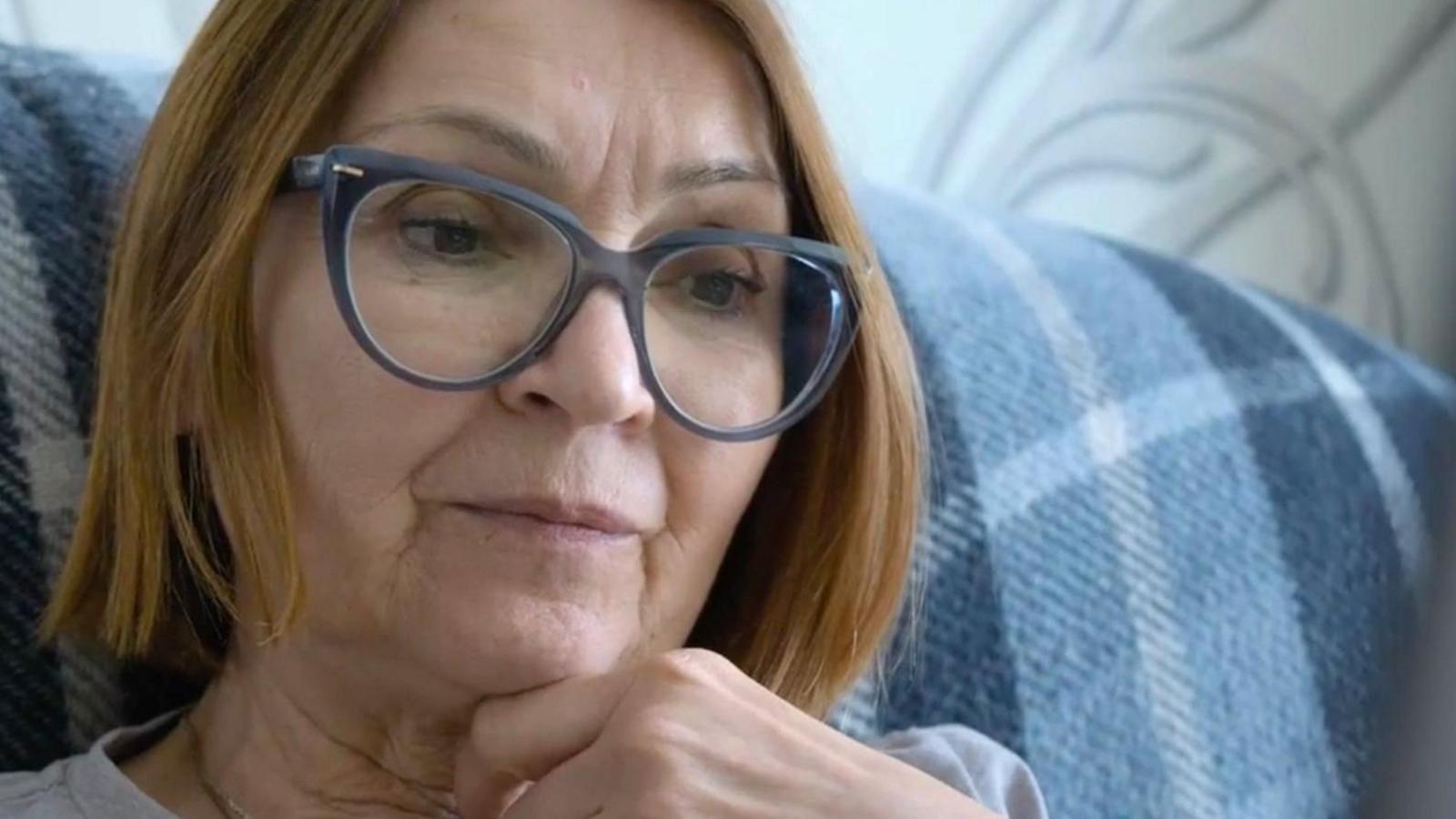
In early October 2019, 64‑year‑old Liudmyla Huseinova was seized and thrown into a Russian‑backed detention centre in Donetsk. The assault, carried out by a cadre of men including former Ukrainian traffic policeman Yurii Temerbek, set the stage for a three‑year ordeal marked by electric shocks, mock executions, beatings and forced sexual assault.
The BBC, in partnership with Ukrainian investigators Bohdan Kosokhatko and Vladyslav Chyryk, traced the identities of the jailers. Temerbek’s passport shows a family living in Russia’s Rostov region, while former police uniform photos of Ruslan Yeriomichev (now 46) and the ex‑Omsk officer Andrey Spivak demonstrate that most escapees have slipped back into ordinary lives.
The investigation identified 93 detainee sites in occupied Ukraine—nearly half in unofficial buildings—and 102 in Russia. Ukraine’s prosecutors have opened cases against 800 accused of abuse, with only a single jailer currently imprisoned, a former head of Izolyatsia sentenced in Kyiv to 15 years.
Survivors such as Liudmyla and 42‑year‑old sailor Oleksii Sivak, detained in Kherson, advocate for legal accountability rather than revenge. They urge the international community to strike at the hands of those who orchestrated “systematic and widespread” torture and sexual violence in these clandestine centres.
The BBC remains silent on the divers of the men who survived, who now live as ordinary citizens in Russia and the occupied territories. Yet, names appear in social media, highlighted by the very images posted on VK and OK.ru, exposing a chilling possibility: that these persecutors roam free, continuing to evade justice.
The full story is available on the BBC website, underlining the urgency for transparent investigations and international pressure to safeguard civilians from state‑imposed atrocities in conflict zones.