In brief
President Trump unveiled a controversial diesel import agreement with Russia, promising shipments that could supply up to 3.6 m barrels of US daily use. Senators from both parties denounced the deal as a breach of US law, arguing it fuels Putin’s war machine. While the decision aims to curb soaring fuel prices amid the Iran‑Ukraine conflict, critics question its legality, effectiveness, and alignment with long‑term energy policy. The Treasury cited existing legal channels, but the debate has intensified as the midterm elections loom. The move has also stoked international diplomatic friction, with Ukraine’s president labeling the deal a gift to Russia.
President Donald Trump announced on Friday a plan to import diesel from Russia ‑ a move that has sparked a robust backlash from lawmakers, legal experts, and international leaders alike.
According to Trump, Russian President Vladimir Putin agreed to ship 300,000 tonnes of diesel to America immediately, with further deliveries slated for November and beyond. The shipment would swell to 500,000 tonnes in November, one million tonnes after that, and eventually up to three million tonnes per month, depending on refineries still damaged by Ukrainian attacks.
The agreement arrives weeks after the administration signed new sanctions and tariffs targeting countries that import Russian oil and gas. Critics argue that the diesel deal violates those sanctions, effectively providing a financial lifeline to a nation engaged in a war against Ukraine.
A bipartisan group—four Republicans and three Democrats—sent a letter to the White House, urging Trump to reverse course. Senators Susan Collins, Lisa Murkowski, Thom Tillis, John Curtis, Jeanne Shaheen, Richard Blumenthal, and Ron Wyden said the deal contravened explicit congressional bans on Russian energy imports enacted in 2022.
The Treasury Department said it would suspend sanctions on Russian diesel until 7 April under the new arrangement, but other assets such as Russian holdings in American banks remain frozen.
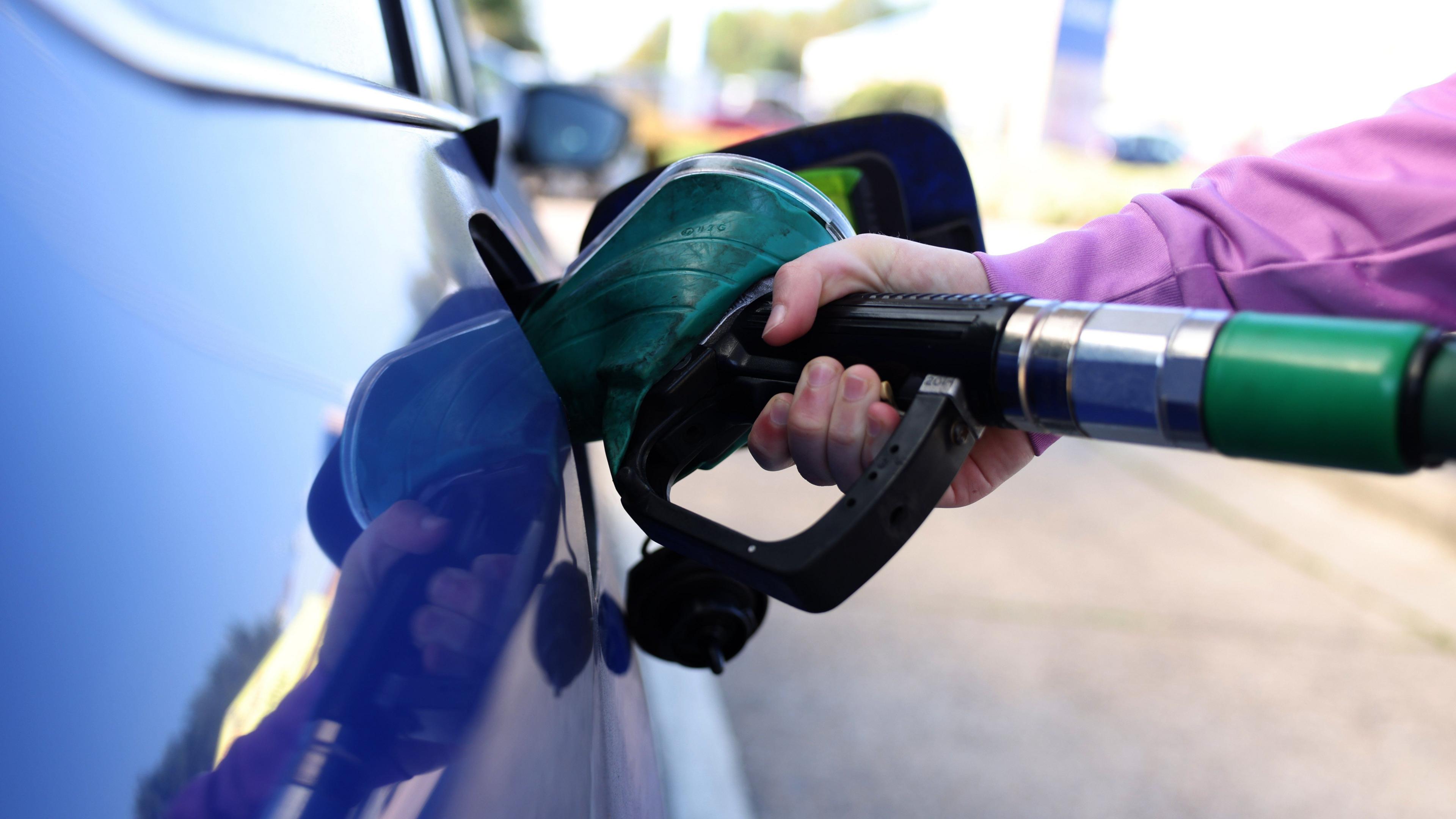
Economic analysts weigh in on the feasibility of delivering the promised volumes. With the US consuming about 3.6 million barrels of diesel per day, even the initial 300,000‑tonne shipment would cover only roughly half of that demand. Whether it will actually bring down retail prices remains uncertain.
Around the world, leaders are voicing criticism. Canadian Prime Minister Mark Carney and UK Defence Secretary Wes Streeting urged the US and its allies to focus on pressure against Russia, not aid its supplies.
Ukrainian President Volodymyr Zelensky welcomed what he called an “energy ceasefire” under the deal, yet it has been described by officials as a gift that aids Putin’s war effort. Trump said the priority was “lower prices for Americans, especially farmers, ranchers, and truckers.”
As the midterm elections draw near, the diesel deal adds a fresh political firestorm. Polls suggest a majority of Americans disapprove of the administration’s handling of the economy and the Iran‑Ukraine conflict, making this move a high‑stakes gamble.