In brief
President Trump's recent military strategies targeting drug smuggling boats have sparked controversy as he claims these measures are necessary due to failures in traditional interdiction approaches used over the past 30 years. While the U.S. military has reported significant drug vessel strikes resulting in fatalities, critics, including veterans of the drug war, argue for a continued focus on non-lethal traditional methods, as the Coast Guard celebrates its record-breaking seizures of cocaine without loss of life. Concerns grow over the potential for extrajudicial killings and the mischaracterization of boat crews as narco-terrorists.
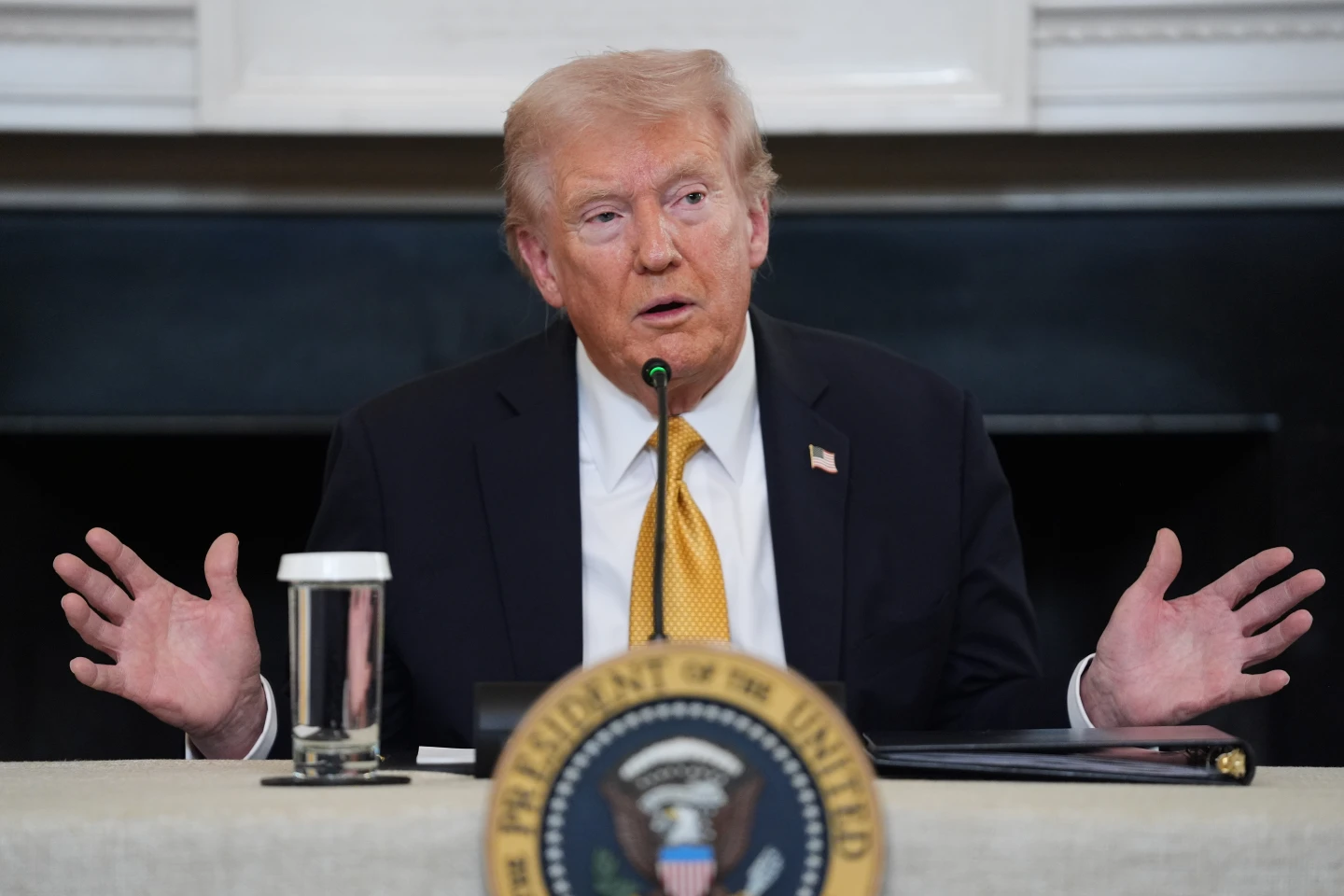
MIAMI (AP) — In justifying American military strikes on boats suspected of smuggling drugs, President Donald Trump has asserted that the longtime U.S. strategy of interdicting such vessels at sea has been a major failure.
“We’ve been doing that for 30 years,” he said last month, “and it’s been totally ineffective.”
Trump’s comments came as the U.S. Coast Guard announced a record cocaine seizure of 225 metric tons over the previous year, contradicting the narrative that traditional methods have failed. The strikes have generated international pushback from foreign leaders, human rights groups, and various political figures due to concerns over extrajudicial killings that undermine U.S. standing globally.
The strikes conducted under Trump have reportedly resulted in the destruction of 20 alleged drug boats, leading to the deaths of approximately 80 individuals. Critics, including former drug war veterans, argue that these aggressive military actions could be counterproductive and that traditional interdiction methods garner better intelligence without loss of life.
Beyond the immediate consequences, many experts suggest the Coast Guard's longstanding program of interdiction and intelligence gathering could provide more consistent results in the fight against drug trafficking. The Coast Guard has historically seized a significant portion of the narcotics reaching U.S. shores, despite resource limitations.
In contrast, Trump's military strikes have coincided with continued issues surrounding high demand for cocaine, as prices have remained low, further complicating interdiction efforts. Meanwhile, the Coast Guard's successful seizures showcase the potential effectiveness of traditional approaches, emphasizing that lethal means may not be the optimal route in combating drug trafficking.
As the debate over U.S. drug interception strategies continues, Trump’s assertions of needing a new approach raise critical questions on the balance between effectiveness, ethical standards, and international relations in the ongoing fight against narcotics.