Donald Trump and Benjamin Netanyahu imagined a swift, decisive victory over Iran that would reshape the Middle East. What unfolded instead was a stubborn regime that kept its grip on power and turned the region into a long‑running permacrisis.
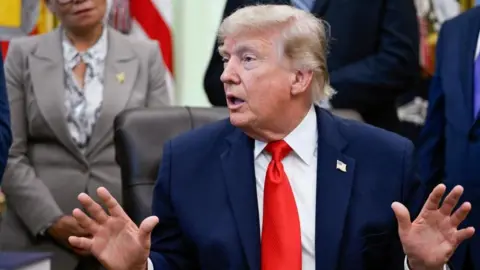
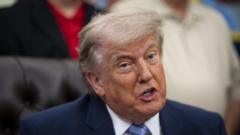
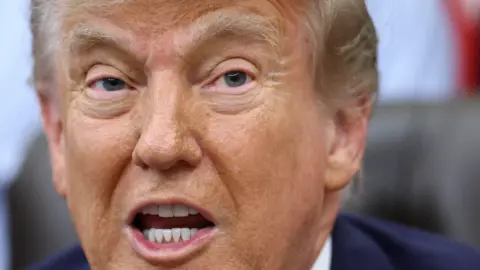
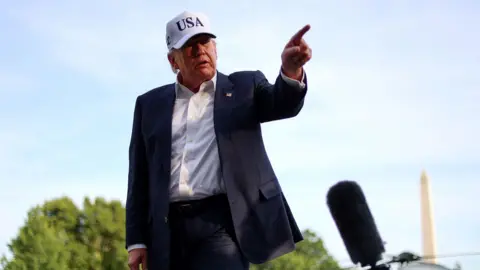
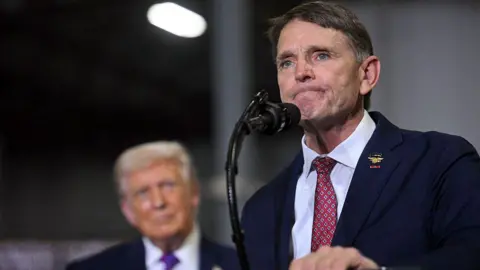
Ivan’s iconic images from the front lines show Trump, at Mar‑a‑Lago, declaring that Iran is “the great proud people’s freedom” and that “bombs will fall.” Netanyahu, on his Tel Aviv rooftop, echoed the same bravado, promising to “smite” Tehran’s terror regime. Yet both men misread the strength of an Islamically‑driven, ideologically cemented state.
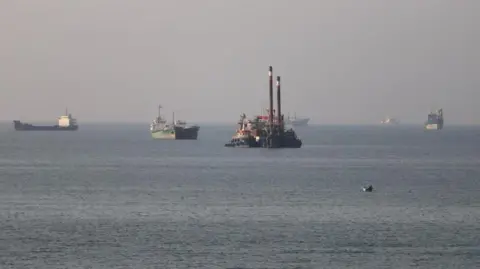
Iran’s strategic chokehold on the Strait of Hormuz, one of the world’s busiest waterways, and its simultaneous assaults on Lebanon, where Hezbollah resists Israel’s strikes, shows Tehran’s readiness to deter Western moves with real‑world consequences. The U.S. sees the cutting of oil flows as a financial blow, but for Iran it is a symbolic lever to pressure Washington and retain sovereignty.
The ongoing attacks and the absence of a clear bilateral agreement, despite the U.S. military downing an Iranian‑operated U.S. Apache, expose the limits of unilateral force. Both leaders now wrestle with whether to sustain military pressure or pursue a fragile diplomatic path that could ultimately leave Washington and Israel behind in a reshaped Middle East.