In brief
President Trump denies ordering the speed restriction that hit Ukraine's Starlink and Starshield network, citing no involvement from SpaceX CEO Elon Musk. Reuters reports that the order may have originated within the White House. The 100‑mph throttle stalled Ukrainian drones, leading to deadly strikes the following day. Senators have called for an investigation into the service disruption, while European leaders reaffirmed their support for Kyiv. The incident highlights the fragile reliance on satellite internet in an ongoing war.
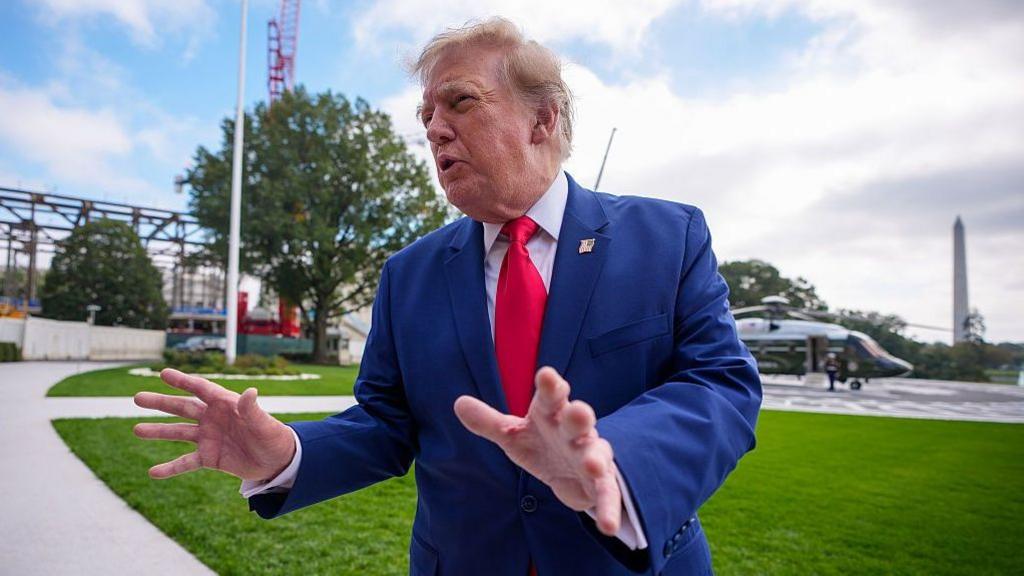
In a late‑afternoon address, President Donald Trump denied any role in restricting Ukraine’s access to the satellite‑based Starlink network and its military‑grade sister service, Starshield, after the U.S.‑made system imposed a 100‑mph speed limit that crippled Ukrainian drone operations.
'I wasn’t me and I don’t think it was [Starlink owner] Elon [Musk],' Trump said, adding that the decision—if it was made—was not by him.
SpaceX founder Elon Musk had previously suggested that the United States might have ordered the limitation. Reuters reports that the order came from the White House, a claim the administration has not confirmed.
The throttling came just before a series of Russian strikes on Ukraine that killed dozens and knocked out power in areas where military communication hubs were targeted.
Starlink is a civilian high‑speed internet service operated by SpaceX, while Starshield—built on the same infrastructure—provides secure communications for the Pentagon and allied forces.
The U.S. has warned that intelligence sharing could be withheld if Kyiv continues to strike Russian oil refineries, a stance that has strained relations amid a contested diesel trade deal and Ukraine’s renewed attacks on energy sites.
Zelensky has demanded a ceasefire in energy infrastructure in return for halting the refineries’ assaults, a condition Trump criticized after declaring a ceasefire in such targets. Despite the tension, Trump said he maintained a "good relationship" with the Ukrainian president and has called Zelensky "more difficult to deal with than Putin."
A bipartisan group of U.S. senators has pressed for an inquiry into the network disruptions, arguing that the slowdown degraded Ukraine’s defensive capacity against Russian drone and missile attacks. The letter noted that about 600,000 Ukrainians lost power when communications equipment was hit.
European leaders, led by French President Emmanuel Macron, have vowed that EU states will not abandon Ukraine, describing the conflict as a European responsibility that requires sustained commitment both politically and materially. Macron highlighted ongoing work to bolster Ukrainian satellite and early‑warning systems.
The clash over Starlink underscores the war’s reliance on high‑frequency satellite internet, a lifeline that keeps Ukraine’s troops connected and able to coordinate in the face of relentless Russian air and missile pressure. In a war that will cost the U.S. and its allies an estimated $174 billion next year, the limits imposed on this critical infrastructure are a flashpoint for international diplomacy and strategic logistics.