In brief
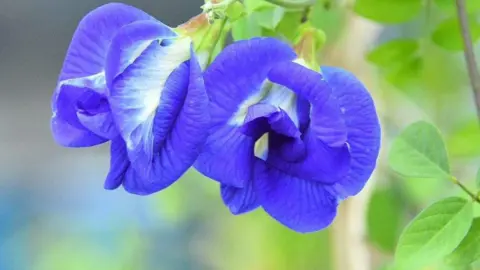
In India, the butterfly pea flower is transforming the fortunes of farmers, shifting from a previously overlooked plant to a sought-after cash crop. Entrepreneurs like Nilam Brahma and Nitesh Singh are leading the movement by educating farmers about cultivation techniques and quality standards, opening up new avenues in the global market. The flower's appeal lies in its vivid color and potential health benefits, contributing to an emerging community of butterfly pea cultivators.
Until a few years ago, the butterfly pea flower was just another climbing plant in my village, says Nilam Brahma from Assam, India.
This vibrant blue flower, also called aparajita, has recently become a lucrative asset for farmers in India.
Two years ago, Brahma learned about local women selling butterfly pea flowers for tea and dye, prompting her to join them. The first time I earned $50 from selling dried flowers, it made me believe I could control my own future, she reflects.
She invested in solar dryers to meet quality standards, leading to a burgeoning small business.
Countries like Thailand and Indonesia have long been the top growers of butterfly pea flowers, but demand is increasing in India. Varshika Reddy, of THS Impex, highlights the rising preference for natural colorants due to stricter regulations on synthetic dyes, spurring the interest of Indian entrepreneurs.
Despite some regulatory hurdles, there's optimism in the Indian market for butterfly pea, still mainly perceived as an ornamental plant.
Nitesh Singh founded Blue Tea in 2018, envisioning a brand centered around Indian-grown flowers. Initially faced with challenges in sourcing quality flowers, he now collaborates with over 600 farmers to enhance quality and production.
With its striking hue that shifts from blue to purple with lemon, the butterfly pea flower captivates consumers, paving the way for a business community centered on this unique crop.
Pushpal Biswas, another farmer, transitioned from traditional crops to butterfly pea cultivation, witnessing a significant boost in his income and farm size. He emphasizes the sense of community that's emerged from this crop, supporting numerous local families.
The butterfly pea flower is not only a commercial crop but also a potential health ally, showing promise in studies focusing on sugar control in pre-diabetic individuals, marking a bright future for this magical flower.