In brief
Tariffs, strongly advocated by President Trump, are reshaping the global economy as we head into 2026. Despite some positive signs, the International Monetary Fund has revised its global growth forecast downwards due to tariff-related frictions. Economic experts note ongoing uncertainties and cost pressures, underscoring the need for robust dialogues between major economies. The impacts of reduced trade and fluctuating oil prices are poised to influence the market landscape significantly.
President Trump's favourite word is tariffs. He reminded the world of that in his pre-Christmas 'address to the nation'. With the world still unwrapping the tariffs 'gift' from the first year of his second term in office, he said they were bringing jobs, higher wages and economic growth to the US. However, the impacts of these tariffs on the global economy are profound and continue to evolve.
The International Monetary Fund (IMF) has indicated that although the 'tariff shock' is smaller than originally anticipated, it is a significant contributor to the expected slowdown in global economic growth, now projected at 3.1% for 2026 compared to last year's forecast of 3.3%.
IMF head Kristalina Georgieva acknowledge this slowing growth is inadequate to meet global aspirations for improved living standards. Other forecasts for 2026 paint an even bleaker picture.
Some economists assert that the negative effects of tariffs have been somewhat muted, largely because global responses were not as severe as feared. Countries largely refrained from strong retaliation, and while China did engage in retaliatory actions, the US was able to back down quickly, thus averting a complete trade disaster.
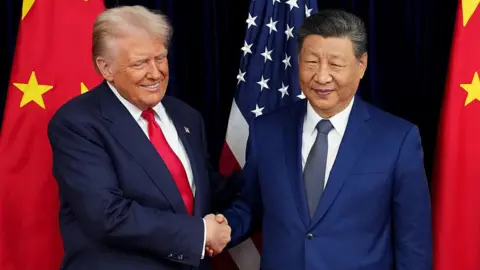
The current US-China trade tensions persist, with mutual tariffs and restrictions in place, introducing cost increases for many businesses and creating an uncertain economic environment. Maurice Obstfeld from the Peterson Institute notes that while the resilience shown so far is encouraging, ongoing frictions have long-term detrimental effects on efficiency.
Despite the challenges posed by tariffs, global trade value has risen, with exemptions and lower interest rates facilitating some economic activity. However, loopholes in the tariff policies bring uncertainty for businesses navigating international trade.
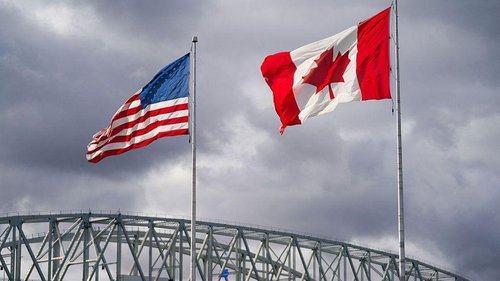
The economic landscape is expected to see shifts with considerations such as the renegotiation of the US-Mexico-Canada Agreement and upcoming votes in Europe on significant trade deals. Additionally, local manufacturing jobs are still critical to Trump's policy objectives, which are under scrutiny as the US grapples with a slight decline in manufacturing employment.
As we anticipate further developments in trade relations between the US and China, including a pivotal meeting scheduled for April, the global community watches closely, recognizing the high stakes involved in shaping the future economic landscape.