In brief
The humanitarian situation remains dire, with infrastructure devastated and thousands of lives still unaccounted for.
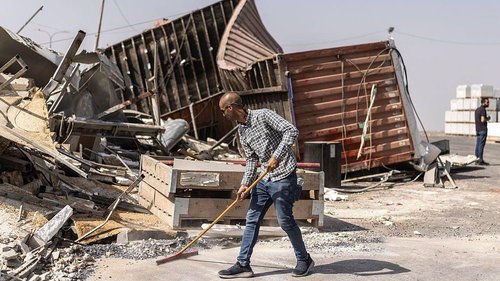
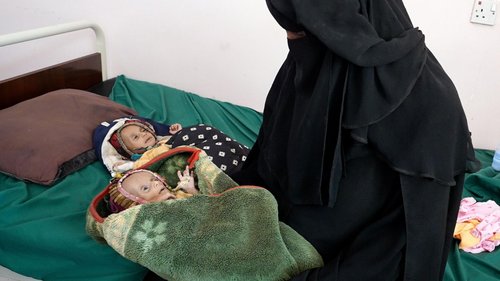
In the wake of the recent ceasefire in Gaza, rescue workers and civilians are grappling with the devastating impact of 15 months of violence. The Gaza Civil Defence agency reports that over 10,000 bodies may still lie under the debris, prompting fears of a slow recovery. Spokesman Mahmoud Basal acknowledged the challenges they would face, citing shortages of crucial equipment like bulldozers for recovery efforts.Images from Gaza have emerged, revealing widespread destruction throughout the enclave, especially in the northern regions. The UN estimates that around 60% of the area's structures have been compromised or obliterated. Although the ceasefire has shifted the atmosphere from bombing to celebration, the dire reality continues to haunt the residents.The United Nations World Food Programme (WFP) has declared that the conflict has rendered more than two million Gazans homeless and wholly reliant on food assistance. Following the ceasefire, a humanitarian influx began as 630 lorries delivered aid, with an additional 915 arriving the next day—a record since the conflict began.Sam Rose, acting director of the UN's Palestinian refugee agency, Unrwa, emphasized that while aid is crucial, it is merely the first step in addressing the profound needs of individuals, families, and entire communities ravaged by trauma and loss. "This is going to be a very, very long road," he stated.Families in Israel continued to mourn, even as they welcomed the release of hostages. Mandy Damari, mother of a recently freed hostage, noted her daughter was recovering well despite serious injuries sustained during the conflict. The release arrangement stipulated that for every hostaged Israeli, 30 Palestinians would be freed, amidst the hope for more exchanges.Tragic statistics from Palestinian health authorities reveal the war's toll: over 46,900 fatalities reported, predominantly among women and children, and many more injured. The Gaza Civil Defence reported that half of its workforce has been impacted, with an overwhelming loss of vehicles and facilities.While the immediate threat of airstrikes may have dissipated, the incessant work of recovery continues. Rescuers face staggering tasks, like retrieving lifeless bodies and human remains, as echoed by Abdullah Al-Majdalawi, a young Civil Defence worker. Stories from displaced survivors reveal how deeply the community is affected, as many still await news of loved ones trapped under rubble.Despite ongoing risks, some Palestinians are eager to return to their homes. Reports of dangerous conditions persist, with the Israeli Defence Forces warning civilians to keep their distance from military operations and designated buffer zones.Global concerns linger about the fragile ceasefire's longevity amid reports of escalating violence in the West Bank, where Secretary-General Antonio Guterres highlights increasing tensions from potential annexations. The international community watches closely, hoping that the ceasefire will hold and lead to stable and long-lasting peace.