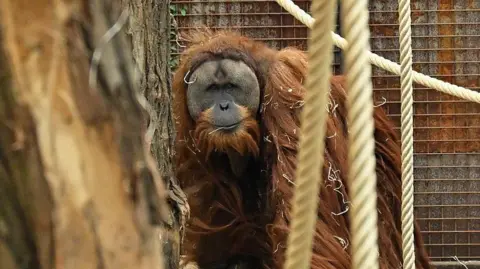
Tapanuli Orangutans Face 7% Loss After Cyclone Senyar
Four days of extreme rainfall in Sumatra’s wild forests left the rare Tapanuli orangutan’s future in doubt. A new study estimates that 58 of the less than 800 critically‑endangered animals – about 7% of the species – were killed in the November 2025 cyclone.
The fatality estimate rose from the earlier 35 reported by conservation manager Erik Meijaard, indicating a major blow to the population.
“What struck me is that all the flesh had been ripped off the face,” Meijaard told the BBC. “If a few hectares of forest come down in massive landslides, even powerful orangutans are helpless and just get mangled.”
Humanitarian workers found a semi‑buried carcass in Pulo Pakkat village, confirming the death of the animal and illustrating how the cyclone turned an old habitat into a graveyard.
Researchers say Cyclone Senyar was anomalous, but climate‑change driven weather patterns are likely to make extreme rainfall increasingly frequent, threatening the species and its forest.
The Indonesian government has paused major development projects in the Batang Toru protected area, giving scientists a chance to reassess risks and protect the remaining orangutans.
To prevent the first modern extinction of a great‑ape species, the study urges sustained international support, climate‑responsive planning, and stronger domestic protection.