In brief
Starlink satellites, a commercial network run by SpaceX, have become the backbone of Ukrainian military communications – from land to air to sea. The sudden 100 mph speed limit on Starlink‑connected drones has crippled Ukraine’s ability to chase high‑speed Russian Shaheeds, according to senior officials. The restriction, allegedly imposed overnight by Elon Musk without prior notice, has drawn criticism and raised questions about US‑SpaceX coordination. While the U.S. government argues the limits are for defense usage, Ukrainian officials suspect political motives linked to U.S. foreign policy tensions. This development could shift the digital battlefield in Ukraine, impacting everything from artillery targeting to real‑time command networks.
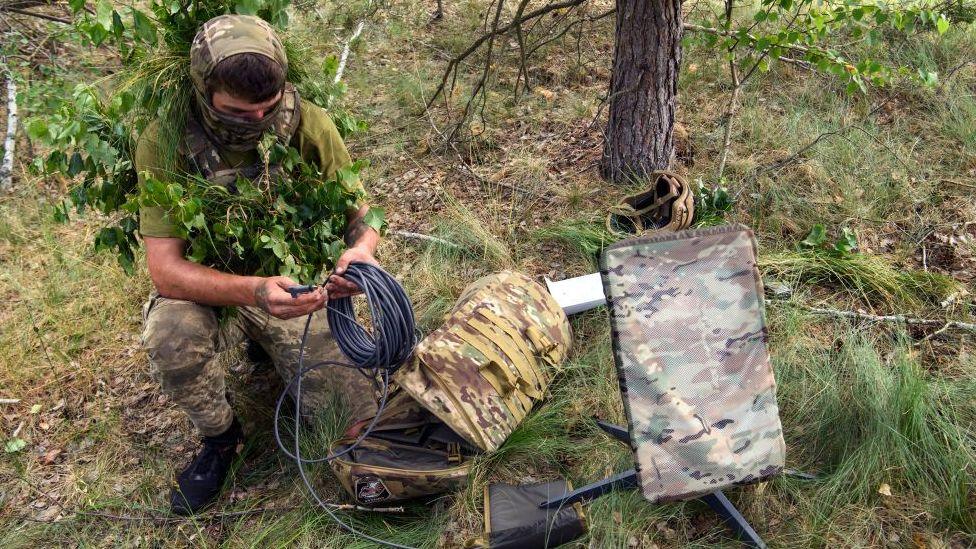
The Starlink satellite fleet, overseen by Elon Musk’s SpaceX, has become the digital spine of Ukraine’s war effort. High‑speed internet links the navy, ground forces and aircraft, letting soldiers send video, voice and data without the need for costly terrestrial infrastructure.
Kiev now relies on those same satellites to keep unmanned aerial vehicles (UAVs) locked on distant targets. Ukrainian drones can now communicate reliably over longer distances and are harder to jam than conventional radio links.
Behind the scenes, however, a sudden 100 mph (160 km/h) speed limit has been applied to all Starlink‑connected drones. The change, reportedly enacted overnight by SpaceX, has thrown Ukraine’s drone‑intercept squadron into confusion. The limit means anti‑aircraft UAVs can no longer keep pace with Russian Shahed attack drones, which fly at speeds above 198 mph.
Senior Ukrainian adviser Serhiy Beskrestnov said the regime was not told about the throttling in advance. "We have not received any notice from Elon Musk or SpaceX," he told reporters. The restriction has sparked accusations that the U.S. government may be influencing SpaceX to slow Ukrainian operations.
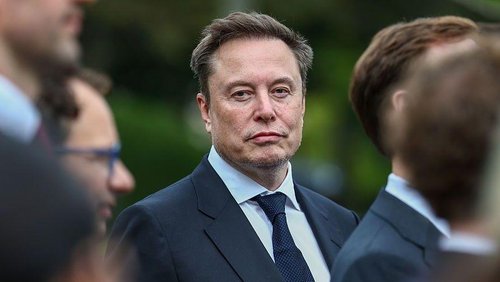
Elon Musk replied on X that SpaceX runs two separate systems: the commercial Starlink network and the military‑grade Starshield used by the U.S. Army. He insisted "any limits on speed or usage are decided by the U.S. military and ultimately POTUS." Musk added that the commercial Starlink service "cannot be used for offensive military action."
The Institute for the Study of War (ISW) notes that a single speed threshold cuts out the real‑time sensor‑to‑shooter chain that is crucial for Ukraine’s counter‑air strategy. "The throttle is effectively precluding any networked unit from exceeding 100 mph," Mos says. "Without that, our AI‑enabled interceptors lose heading and timing data, turning a hunt into a guessing game."
The Slavic nation’s commander‑in‑chief has also hinted that Washington’s policy mulls the restriction a ‘political statement’ in the context of the Trump administration’s criticism of Russian‑targeted strikes on oil refineries and Musk’s own vocal opposition.
Amid growing frustration, Ukrainian officials are pressing SpaceX for a reversal, while analysts warn that the impasse could weaken Kyiv’s ability to coordinate artillery strikes, battlefield surveillance and command‑control across contested zones. The conflict’s next digital front will hinge on the speed limits of satellites that orbit above the battlefield.