In brief
In just five weeks, the South African government has processed 53,499 foreign nationals for deportation under a "migration management" campaign. Most travelers were from Malawi, Zimbabwe, and Mozambique, following a wave of violence, intimidation and looting at protests demanding mass expulsions. Activists set an unofficial deadline of June 30 for undocumented migrants to leave, and thousands have fled to escape escalating tension. The UN warns against using migrants as a scapegoat for socioeconomic problems, while authorities claim the move helps catch criminals. President Ramaphosa urges citizens not to take the law into their own hands amid rising tensions.
South Africa says more than 53,000 foreigners have been deported or repatriated in five weeks of a hard‑edge migration campaign.
According to Minister of Justice and Constitutional Development Mmamoloko Kubayi, 53,499 foreign nationals were processed for deportation, with the bulk coming from Malawi, Zimbabwe and Mozambique. The figures are expected to climb as authorities continue operations.
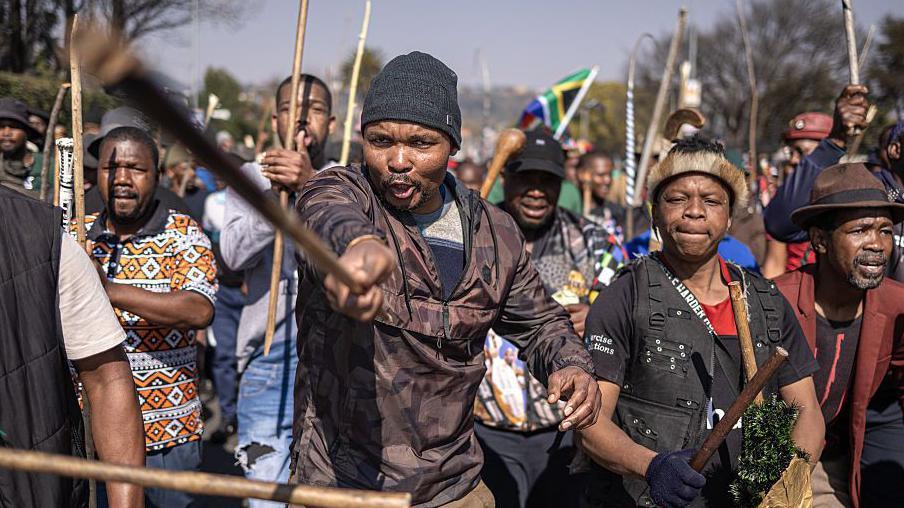
South Africa is conducting one of its biggest crackdowns on undocumented migrants in recent years. The campaign follows weeks of anti‑immigration protests that escalated into violence, looting and intimidation. Protesters demand tighter border controls and mass deportations, claiming migrants contribute to unemployment, rising crime and strained public services.
The United Nations has cautioned against blaming migrants for South Africa's socioeconomic challenges, warning that treating migrants as scapegoats could inflame tensions and violate human‑rights principles.
Activists have threatened weekly demonstrations to pressure the government to meet their demands, raising fears of further violence. An unofficial deadline of 30 June was set for all undocumented migrants to exit the country; many have fled to escape intimidation.
Several neighbouring countries – including Ghana, Nigeria, Uganda, and Kenya – have recently flown their citizens back home in the heightened climate of protest.
Minister Kubayi emphasized that the process also aids in apprehending individuals wanted by police for alleged criminal activity. She urged the public to refrain from conducting unsanctioned searches of homes or businesses suspected of sheltering undocumented migrants.
President Cyril Ramaphosa acknowledged public concerns about immigration but called out attacks on migrants, warning against vigilantism in the name of security.
South Africa, Africa’s wealthiest nation, has long attracted migrants seeking better economic opportunities, some of whom enter illegally. The current campaign may reshape migration policies for years to come.