In brief
A sudden glacier collapse triggered a flash flood along Nepal’s Trishuli River, killing over 550 people and creating a barrier lake that threatens a secondary flood. High‑resolution satellite images from Vantor and Planet Labs expose villages such as Timure and Trishuli being erased by mud and debris, and a border crossing in the Himalayas almost entirely washed away. Glaciologists report that the barrier lake’s drainage channel suggests a stabilised volume, but the lake remains a risk for downstream communities. With the Tibetan side under heavy restrictions, the imagery serves as a critical tool for aid agencies to prioritise rescue and recovery efforts.
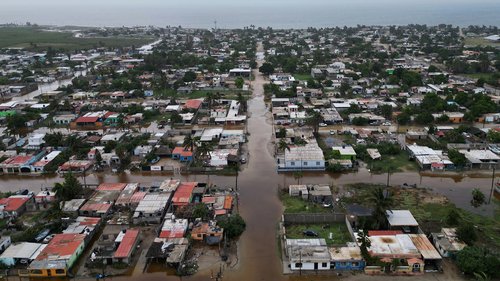
A sudden glacier collapse triggered a flash flood along Nepal’s Trishuli River, killing more than 550 people and leaving hundreds missing. High‑resolution satellite images from U.S. intelligence firm Vantor and private provider Planet Labs have made the scale of devastation visible, showing entire villages, bridges and hydroelectric stations turned into mud and rubble.
The images reveal that the flood washed away villages such as Timure and the historic town of Trishuli, 45 kilometres downstream from the Nepal‑Tibet border. In the border area, a key crossing was almost entirely submerged, as captured on militant‑level CCTV footage showing water swallowing buildings and people in a frantic rush to escape.
A mountain glacier had suddenly released a massive chunk, carving a debris‑filled path that drained thousands of cubic metres of water downstream. In the valley’s steep banks, debris has covered homes perched 50 metres above the river, while the flood’s reach extended 2.5 kilometres upstream, flooding areas over 100 metres above the water level.
The flood also formed a barrier lake at the landslide’s base, a danger raised by Chinese authorities and a hindrance to rescue teams. Dr Argha Banerjee of the Indian Institute of Science Education and Research notes that a drainage channel is visible in the imagery, suggesting some water is escaping and that the lake’s volume has stabilised, yet its risk status remains uncertain.

While the Tibetan side of the border remains inaccessible to foreign media, satellite data provides a critical first look at the destruction, helping aid agencies pinpoint where rescue and recovery efforts should be focused. The Vantor Open Data Program intends to support authorities in locating missing people, rescuing survivors and recovering the deceased.
Video footage that emerged from the site captured a collapsing bridge and the anguish of residents trying to escape as the flood surged. In one verified clip, people shelter inside a house while the torrent surrounds them, and later relief teams find survivors standing amid the mud after the water receded.