In brief
As The Beatles landed in America just months after JFK's assassination, cultural historians ponder the connections between the national mourning for the president and the band's ascent in pop culture. While some assert that the tumultuous political climate led to an emotional opening for The Beatles, others argue that it was their own talent and strategic appearances that truly paved the way for global stardom.
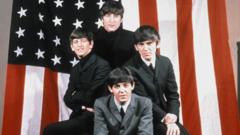
When The Beatles touched down at the John F. Kennedy International Airport on February 7, 1964, they arrived in a nation still reeling from the assassination of President Kennedy just 70 days prior. In the new documentary "Beatles '64," Paul McCartney suggests that the band's arrival came at a pivotal moment in American history when the country needed a morale boost. "Maybe America needed something like The Beatles to be lifted out of sorrow," he says.Cultural historians and Beatles scholars have long debated whether Kennedy's assassination created a conducive atmosphere for the band's breakout success in the U.S. The assassination left a profound impact, with Dr. Patrick Andelic, an American history professor, noting that Kennedy's charisma resonated with the nation’s youth much like The Beatles did. “Kennedy projected youth and vitality, and his death cut that short in a shocking way,” he explains. This tragedy left many Americans seeking positivity.The Beatles arrived in the U.S. amid a burgeoning pop culture landscape. They had already established their presence in the UK, achieving back-to-back number one albums and gaining notable fame after their memorable performance at the Royal Variety Performance in 1963. They epitomized youthful exuberance that aligned with the British teenage demographic. According to Dr. Holly Tessler, their rapid ascent to stardom in the UK made them an "unstoppable force."The post-Kennedy period saw America searching for stability and consolation. As Dr. Andelic puts it, The Beatles represented an opportunity for the nation to regain its spirit with their energetic performances. When more than 3,000 fans greeted them at the airport, it demonstrated the eager anticipation for something new and uplifting.Despite earlier British acts struggling to breach the American music scene, The Beatles' manager Brian Epstein was able to secure a deal for them with Capitol Records, contrary to the label's initial reluctance. Their single "I Want to Hold Your Hand," released just after the assassination, quickly soared to the top of the charts.The critical moment for The Beatles' success, however, came on the Ed Sullivan Show, where they made their first major appearance on February 9, 1964. With over 70 million viewers tuning in, their performances captivated the American audience. Spencer Leigh, an author and Beatles expert, believes it was this television debut that truly catapulted the band into the spotlight, more so than any atmospheric factors stemming from Kennedy's death.As Beatlemania erupted across America, the perceived connection between JFK's assassination and The Beatles' rise began to wane for some scholars. Dr. Tessler argues that their success should be attributed primarily to their talent and the buzz generated around their arrival rather than the political backdrop. “The notion that America went down with the death of JFK and back up with the arrival of The Beatles is too simplistic,” she asserts.In the end, the arrival of The Beatles during a period of national mourning may have created a unique moment for their reception, but their impact and subsequent rise to global fame stemmed from their artistry and strategic marketing. The narrative of cultural recovery intertwined with musical triumph continues to capture the imaginations of fans and historians alike as we remember both JFK and The Beatles.