In brief
In a swift move that underlines the Kremlin’s tightening grip on dissent, Antonova Shlosberg—a prominent anti‑war activist and deputy head of the Yabloko party—was handed an eleven‑year prison sentence for allegedly “discrediting” Russia’s armed forces. The verdict came shortly before Russia’s Supreme Court dismissed Yabloko’s appeal to participate in upcoming parliamentary elections, marking a decisive blow to the only registered party to openly oppose the 2022 invasion of Ukraine. Shlosberg, 63, barred his defendants from freedom and called for a ceasefire amid a climate of wartime censorship that punishes public dissent with fines or long sentences. The sentence, approved by a Pskov court, highlights the shrinking space for opposition voices in Russia, where remaining parties largely back the war effort and independent monitoring of elections has been severely curtailed.
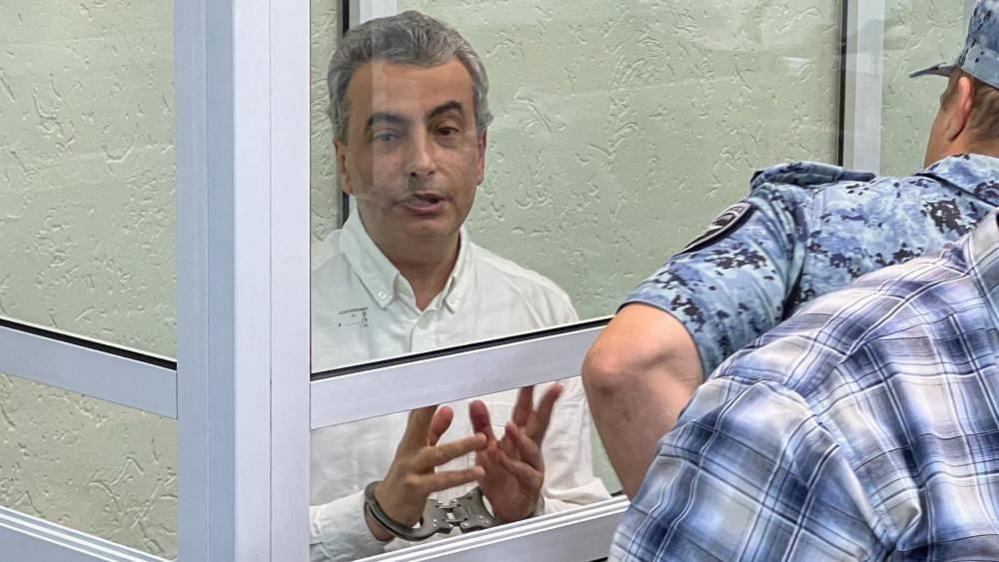
Tenacious critic of Russia’s war on Ukraine, Lev Shlosberg—who has repeatedly called for a ceasefire—has been sentenced to 11 years and one month in a penal colony for “discrediting” the armed forces and spreading “false information.”
The decision, handed down by a court in the north‑western city of Pskov, followed Shlosberg’s social‑media commentary. The prosecution sought a 12‑year term, yet the judge imposed a slightly lighter sentence.
Shlosberg denied the charges in a closing statement, labeling the trial a sham designed to “achieve an obviously illegal goal.” He maintained his call for a ceasefire and the need for “political dialogue” between parties.
The verdict came moments before Russia’s Supreme Court rejected Yabloko’s application to take part in the September parliamentary elections—a vote that would have been the first to feature a party openly opposing the war.
Yabloko, of which Shlosberg is deputy head, said it would appeal the decision while the Kremlin’s interference in political expression has intensified. Since the invasion began, remaining opposition has been stifled by wartime censorship laws, with dissenting statements attracting hefty fines or long prison terms.
The penal colony in Pskov will hold Shlosberg for the next decade and a month, effectively silencing one of the most outspoken voices within Russia’s anti‑war camp. The broader context signals a systematic effort to eliminate opposition ahead of a national election where all other parties support the ongoing conflict with Ukraine. Despite subdued demonstrations, the crackdown illustrates the regime’s willingness to use the judicial system to neutralise Kremlin critics.