In brief
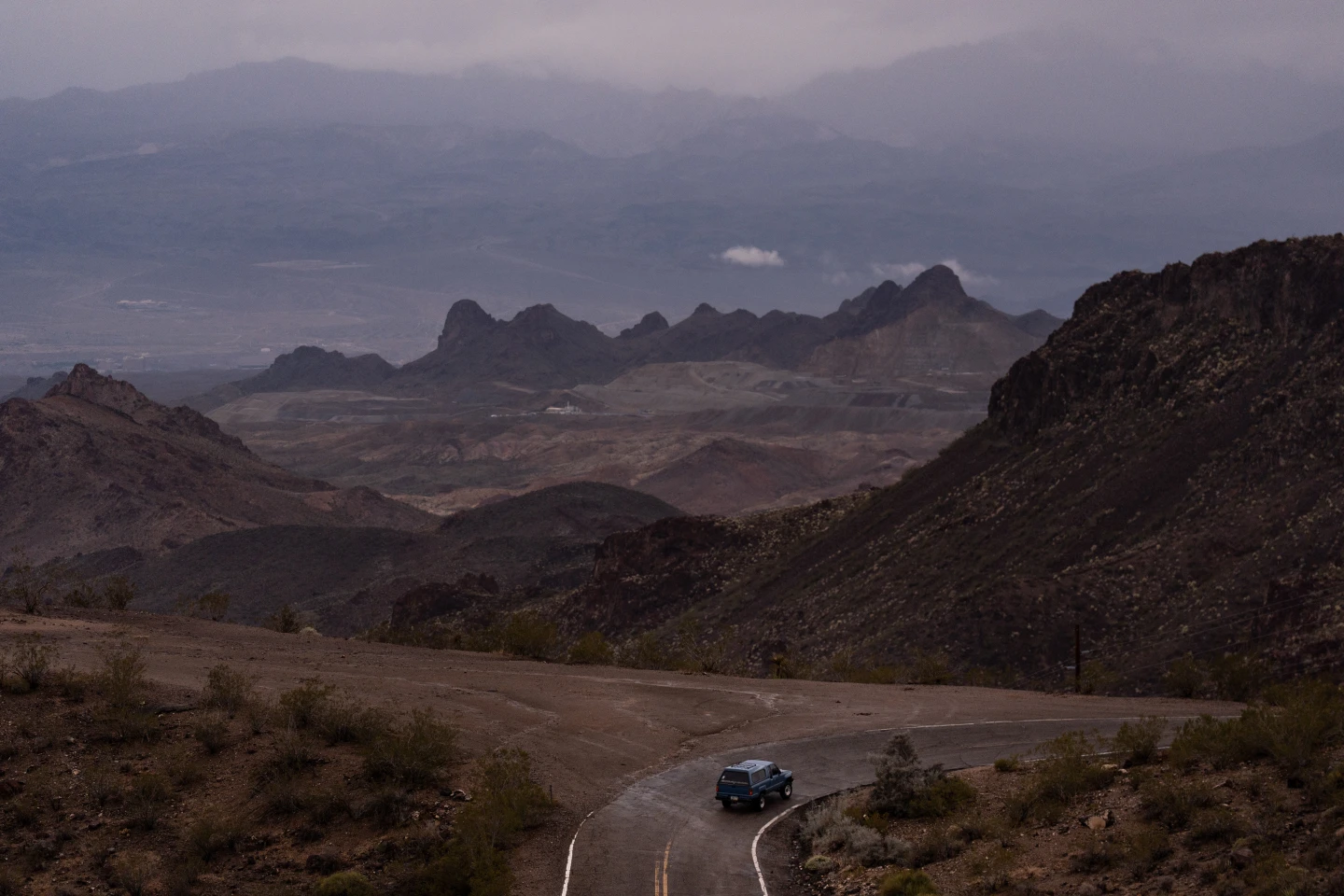
Route 66, known as the Mother Road, marks its centennial this year. Once a vital artery for cross-country travel, it now serves as a cultural symbol rich in history and stories. From the Dust Bowl escapades to the post-war travel boom, the route has witnessed transformation while remaining a beacon for adventure seekers. Today, it invites tourists to experience its unique roadside attractions and nostalgia, despite the challenges faced along its path.
ALBUQUERQUE, N.M. (PulseWire News) — This year marks the 100th anniversary of Route 66, celebrated as the Mother Road. Despite a decline in its formal importance, the road remains an influential part of the American identity, drawing enthusiasts from around the world.
The route stretches over 2,400 miles from Chicago to Santa Monica, combining a blend of historic trails and paths that signify America's vast history. It's an essential part of American culture and history, stated Sebastiaan de Boorder, owner of The Aztec Motel in Seligman, Arizona, emphasizing its significance.
A visionary businessman, Cyrus Avery, known as the Father of Route 66, envisioned the highway as more than a simple thoroughfare; he wanted it to serve as a lifeline connecting rural communities to commerce. Immortalized in literature by authors like John Steinbeck in The Grapes of Wrath, the highway remains entrenched in American lore.
The struggles and stories etched along Route 66 tell of migrants fleeing the Dust Bowl during the Great Depression and families seeking leisure in the post-war boom. Historian Jim Hinckley believes the road represents a spirit of adventure common to many Americans.
As travelers navigate the highway today, they encounter roadside diners, quirky attractions, and neon signs that paint a vivid picture of Americana, showcasing the evolving culture nurtured by this legendary route. While it has brought economic growth to many communities, tribes alongside the route have also faced challenges, including the effects of eminent domain.
The journey along Route 66 is not just of distance but of personal connections and stories shared. Whether it’s the iconic Cozy Dog Drive In or the legendary Cadillac Ranch, the experiences are as diverse as the travelers who traverse the road.
Despite changing times, Route 66 endures as a symbol of the American spirit, capturing the imagination and the hearts of those who traverse its winding path.