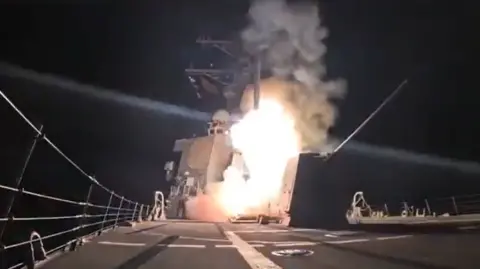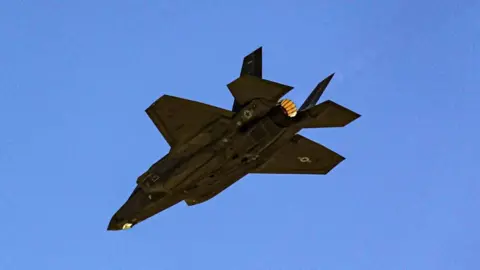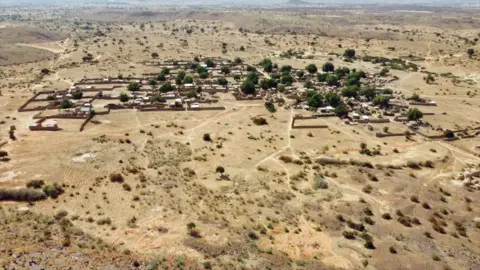
Deep fear has long pervaded the arid savannah plains and highlands of north-western Nigeria - even before the US air strikes on the Islamist militants who have made this area their base on Christmas night.
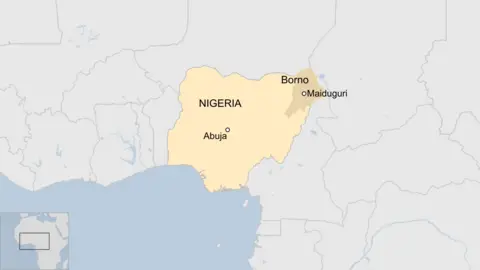
The heavily armed jihadists, who dress in camouflage and wear vibrant turbans, have lived in camps in Tangaza, a remote area of Sokoto state near the border with Niger, for several years.
They belong to a group called Lakurawa and hail from areas north of Nigeria in the Sahel. Locals in Tangaza, a community made up of mainly moderate Muslims, believe they come from Niger and Mali - and are terrified of them.
Recently, both US and Nigerian authorities have said the militants are affiliated to Islamic State (IS) groups in the Sahel - though IS has not linked itself to any of the group's activities or announced ties to Lakurawa as it has done with other groups in the region that it backs.
While visiting Nukuru, one of several remote villages in Tangaza around 10km (six miles) from where the US missiles struck, most people expressed deep suspicion and refused to discuss Lakurawa for fear of retaliation.
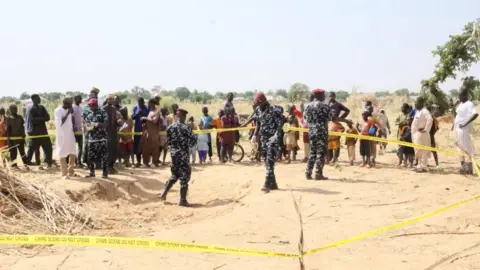
Our journey to the region was heavily guarded by police due to the known dangers. It's a region known for hostility towards outsiders, making the risk of confrontation with militants palpable.
A local farmer reported seeing militants fleeing on motorcycles shortly after the strikes, indicating a significant level of distress among them.
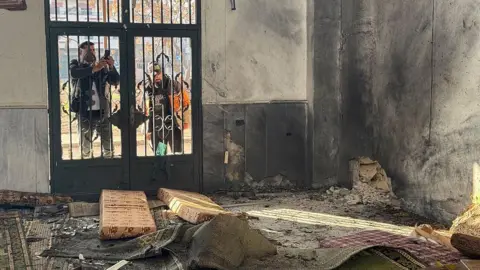
Residents vividly recall the night of the bombing, riding out the tremors as homes shook and roofs were torn apart by the force of the missiles. Their fear persists, as the villagers recognize the militants' potential to regroup and regain control.
Long-standing challenges such as poverty and lack of government presence only fortify the militants' grip on the community. The harsh imposition of their ideological laws further complicates the residents' plight, as they face threats and intimidation for non-compliance.
As the US and Nigeria continue military operations against Lakurawa, the local population's desire for relief from the relentless threat remains strong. Only time will tell if these actions lead to lasting peace in a region that desperately needs it.