In brief
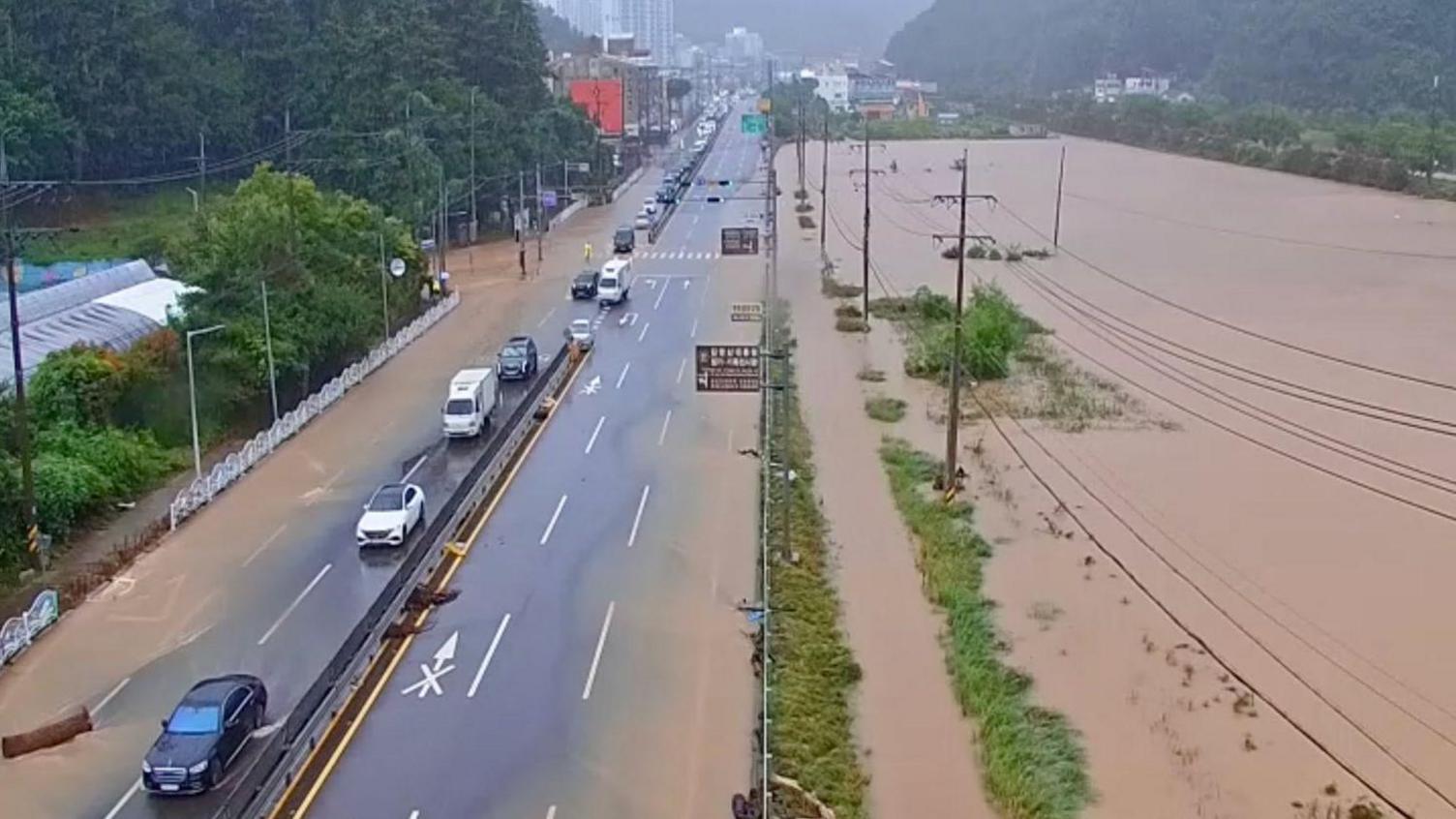
Record rainfall hammered South Korea’s Geoje city, burying the first floor of an apartment building and triggering a landslide that killed one and injured two. Over 400 mm of rain fell overnight, the highest in the city’s records. Flooded streets and swollen rivers forced the closure of tourist sites, bus services and waste collection. Earlier this month, similar deluges across East and Southeast Asia produced widespread flooding, damage and casualties, as a strong El Niño intensified the typhoon season.
Record rainfall hammered South Korea’s Geoje city, burying the first floor of an apartment building and triggering a deadly landslide that killed one and injured two.
The landslide struck in the early hours on Monday, when the city logged 124.5 mm of rain in one hour and finished the night with over 400 mm of precipitation, the heaviest since 1972.
Flooded streets, swollen rivers and strong currents forced authorities to shut tourist attractions, suspend bus operations and halt household waste collection, while residents were urged to stay away from riverbanks.
Earlier this month a back‑to‑back series of storms swept across East and Southeast Asia, causing widespread flooding and damage. In Japan’s Chiba prefecture near Tokyo, “unprecedented” rainfall left ten dead and stranded thousands at Narita Airport.
Weather forecasters warn that this year’s typhoon season will be particularly intense, driven by a strong El Niño that has raised global temperatures and strengthened tropical cyclones.