In brief
Qatar’s foreign ministry spokesperson Majed al‑Ansari said mediators continue to work toward a diplomatic solution amid tensions between Washington and Tehran, though no direct talks have been scheduled. The focus is on a short‑term resolution to reopen the Strait of Hormuz, with officials from Qatar, Pakistan and Oman coordinating behind the scenes. Iran states its negotiations are only with Oman, while U.S. officials insist progress has been made but no final agreement exists. Meanwhile, a cargo vessel hit by an unknown projectile highlights ongoing maritime risks in the Gulf. The Strait of Hormuz, carrying about a fifth of global oil, has been closed since February after Iranian attacks and U.S. blockades, creating a tense backdrop for the mediation talks.
Qatar’s foreign ministry spokesperson Majed al‑Ansari confirmed that mediators are still working diligently to find a diplomatic resolution that would avoid an escalation between the United States and Iran, but he explicitly stated there were no direct talks planned between the two powers.
The focus of Qatari, Pakistani and Omani officials is on a short‑term solution that would allow talks between Washington and Tehran to be re‑initiated. “We are coordinating closely with the Omanis to facilitate the talks between both sides, exchanging ideas and drafts,” al‑Ansari told reporters in Doha.
Iran’s foreign ministry denied that talks were underway, insisting that its only negotiations are with Oman about reopening the Strait of Hormuz to commercial vessels. In contrast, U.S. Secretary of State Marco Rubio noted progress had been made in those discussions, though no final agreement had yet been reached.
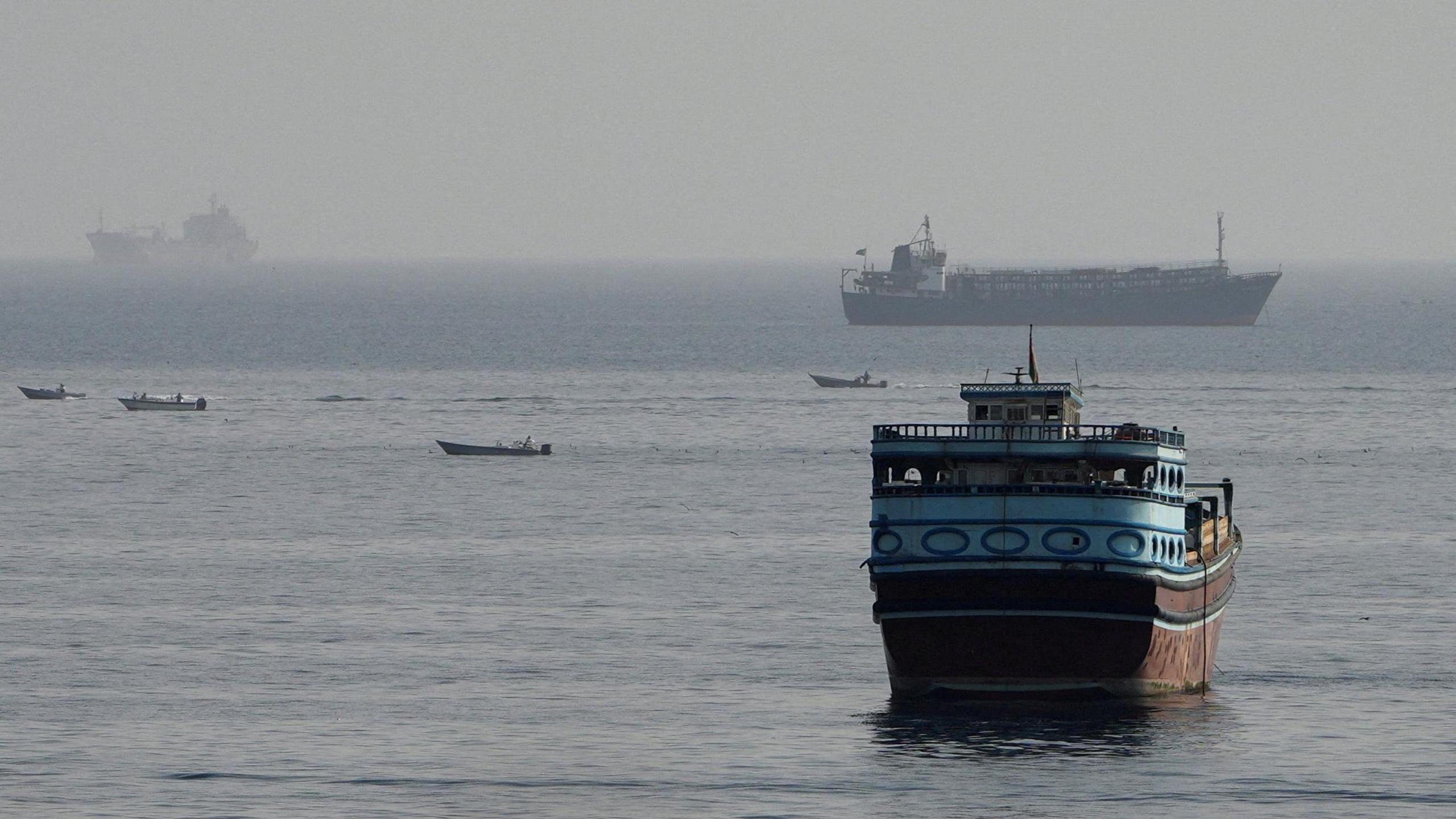
The Strait of Hormuz, through which roughly a fifth of global oil and gas shipments pass, has effectively been closed since late February when Iran began attacking shipping and the U.S. imposed a blockade on Iranian ports. A preliminary agreement signed in mid‑June to end the conflict and reopen the strait collapsed within weeks due to disputes over control of the waterway and continuing strikes.
Recently, the United Kingdom Maritime Trade Operations agency reported that a cargo vessel, the Liberia‑flagged Minoan Pioneer, was struck by an “unknown projectile” and that a sailor was missing from the ship’s engine room. This incident underscores the heightened risk to maritime traffic in the Gulf amid ongoing diplomatic tensions.