In brief
Following his inauguration, President Abelardo de la Espriella ordered a crackdown on illegal armed groups, culminating in the death of Hernando Forero Mosquera—nicknamed “El ruso”—and five associates in a central Colombia operation. The strike is part of a broader campaign to dismantle far‑left rebel factions that have rejected the 2016 peace treaty and expanded into drug trafficking and illicit mining. De la Espriella’s strategy contrasts sharply with his predecessor’s negotiation‑driven approach, as the new president vows relentless pressure on “narco‑terrorism” and has already secured U.S. support. The move arrives amid bombings and drone attacks that have targeted security forces and civilian infrastructure, heightening tensions across the country.
President De la Espriella cuts key rebel commander in Colombia
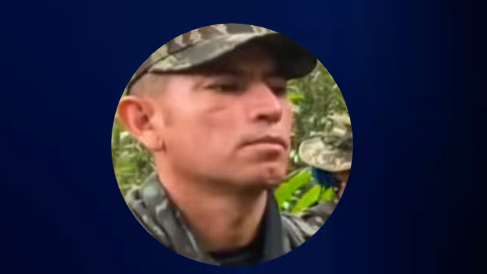
In a decisive blow against the country’s most dangerous armed groups, security forces under new President Abelardo de la Espriella killed Hernando Forero Mosquera—also known as “El ruso”—and five other suspected members of the dissident faction Frente 28 during an operation in central Colombia.
The strike represents the first high‑profile use of military force since the president took office on Friday. De la Espriella vowed that the assault sent a “clear and powerful message” to “bandits” that there is nowhere for them to hide, underscoring a hard‑line approach that the president has pledged to apply to the broader problem of narco‑terrorism.
Frente 28 is one of many splinter groups that emerged after the Revolutionary Armed Forces of Colombia (FARC) signed a peace deal in 2016 but refused the terms. These factions now mainly engage in cocaine trafficking and illegal mining, driving a resurgence in violence and undermining the fragile peace.
De la Espriella’s conduct has already provoked violent responses. Within 24 hours of his inauguration, a car bomb exploded at a tollbooth in Cauca province, injuring security guards, and an explosive drone‑drop killed a police officer in Cesar province. The president credited the military with eliminating Forero as an explosives expert and added that further insurgents were killed across Meta and Antioquia provinces.
The U.S. administration, led by President Donald Trump, has endorsed the new leader and pledged $1 billion in security assistance. Colombia’s inclusion in the U.S.-led Shield of the Americas coalition signals a new era of cooperation to combat drug trafficking and transnational crime.
Forver Attendees: sources confirm the death was part of a larger campaign that also targeted the Gulf Clan and other criminal organizations.
The Colombian government now faces a complex landscape: violent groups are becoming increasingly sophisticated, while international partners may reshape its security doctrine.