In brief
On June 29, a two‑seat light aircraft struck Beijing’s 109‑storey CITIC Tower, killing the pilot and wounding 13 others. Official Chinese communications are limited to a terse Beijing Daily report, while footage, photos and even unrelated memes have been scrubbed from Chinese social media, signaling a tight censorship response. Analysts warn of a serious breach of Beijing’s expansive no‑fly zone, particularly given the tower’s proximity to the Communist Party’s Zhongnanhai headquarters. While pilot error or mechanical failure are cited, some speculate intentional sabotage or security lapses, echoing past incidents like the 1991 Moscow approach by Mathias Rust. The event underscores the tension between security protocols and transparency in the capital.
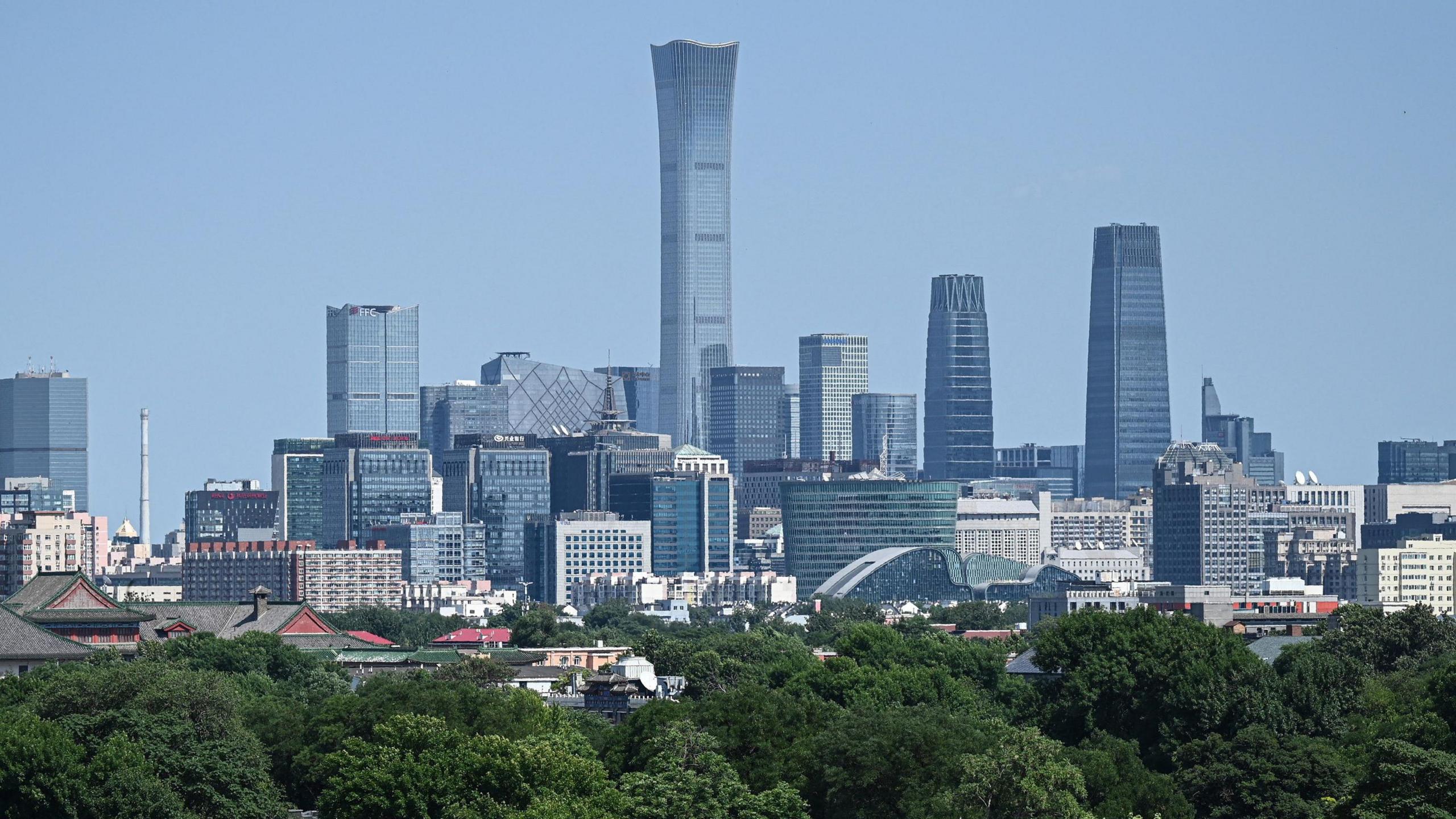
A small private aircraft collided with Beijing’s tallest skyscraper, the 109‑storey CITIC Tower, on June 29, killing the pilot and wounding 13 passengers.
Only a terse, 60‑word statement from the state‑run Beijing Daily has emerged so far—no further details on how or why the impact occurred.
Footage of the crash has been scrubbed from the internet, and even unrelated pictures and memes of the building are disappearing from Chinese social media. CCTV cameras captured the moment, but uploads were scrubbed soon after.
Experts point to a serious breach of Beijing’s 100‑sq‑km no‑fly zone that surrounds Tiananmen Square and Zhongnanhai, the Communist Party’s core compound. The tower’s proximity to that highly secured area raises questions about air‑space enforcement.
Some analysts suspect a combination of pilot error and mechanical failure, while others caution that intentional sabotage or a security failure cannot be ruled out.
The Aurora SA60L—an open‑cabin, single‑engine, two‑seat aircraft used for touring and aerial photography—was reported to have been on a flight that strayed close to the party headquarters before impact.
Comparisons have drawn to historic incidents such as Mathias Rust’s 1987 flight into Moscow’s Red Square and the 9/11 attacks on New York’s World Trade Center in 2001. Some commentators have suggested that similar gaps in air‑defence systems could permit drones or missiles to strike sensitive sites.
For Pulsewire, this event is a reminder of the urgent need for transparent, crowdsourced fact‑checking, especially in environments where official silence can give rise to speculation and misinformation.