In brief
Salvatore, a 17‑year‑old from Naples, weighs 170kg and cannot walk without pain, echoing a surge of childhood obesity in southern Italy where over 40% of 8‑ and 9‑year‑olds are overweight. The traditional Mediterranean diet – once celebrated for its health benefits – has largely been replaced by high‑calorie staples such as pizza, pasta and processed snacks, leading to an alarming rise in pediatric obesity. Doctors are now turning to bariatric surgery and medication, while national policy recognises obesity as a chronic disease and pilots fast‑mimicking diets to reset metabolism. Schools are beginning nutrition workshops, yet many families remain unaware of the long‑term risks. Italy is at a turning point, with public health initiatives aiming to reinstate healthy eating habits for its future generations.
Salvatore, 17, weighs 170 kg (26 st 10 lb) and struggles to walk, a stark instance of the surge in childhood obesity across Italy. He cannot even tie his own shoelaces, and his Vespa scooter’s wheels have cracked seven times in the past week.
The problem is especially concentrated in Campania where more than 40 % of eight‑to‑nine‑year‑old children are overweight. Ponticelli on the outskirts of Naples has earned the title of one of the world’s child‑obesity capitals.
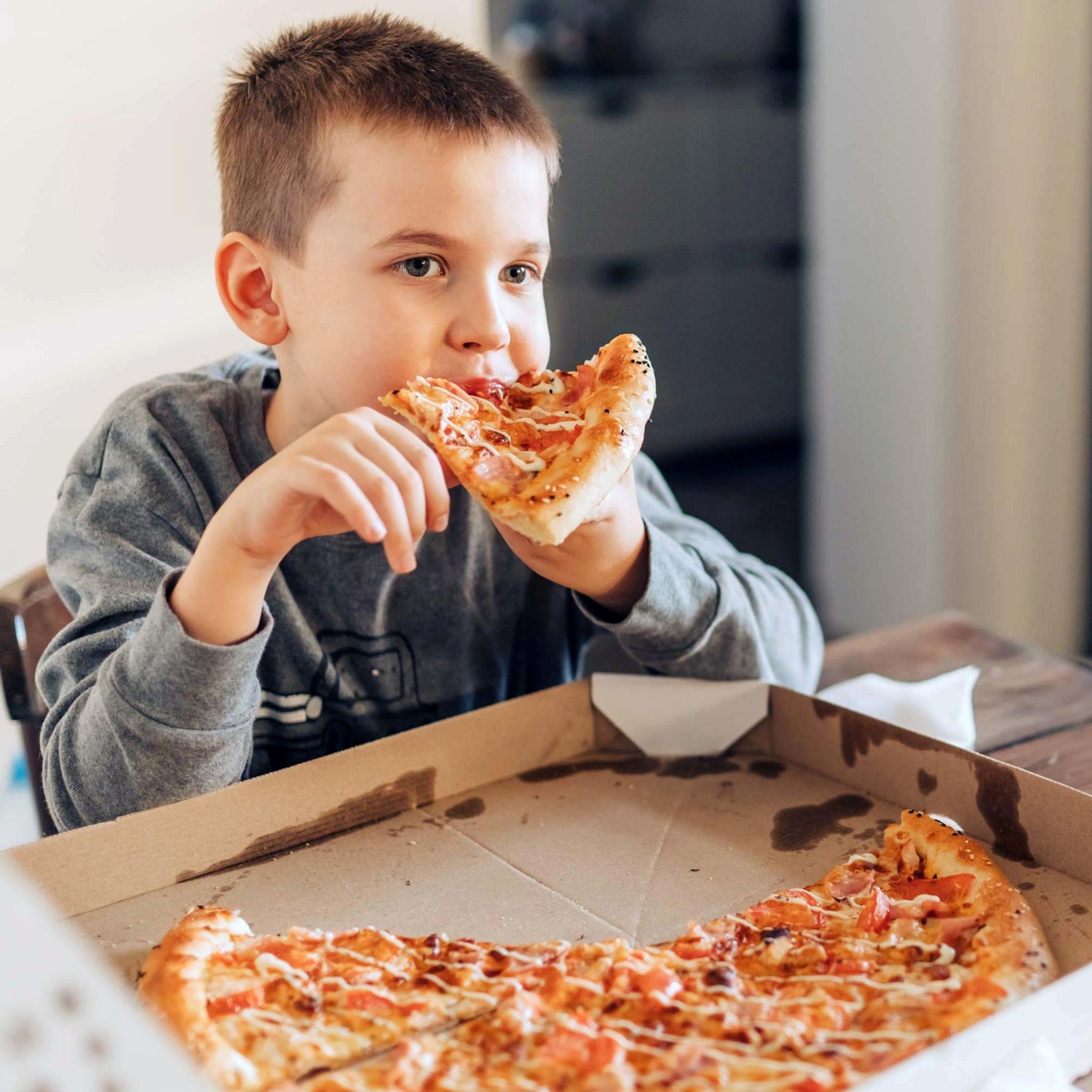
Even as Italy was once hailed as the sanctuary of the Mediterranean diet—a food plan rich in vegetables, olive oil, legumes and fish—today Italian children are among the most overweight in Europe. Less than 10 % of Italians now follow the original diet, replaced by high‑calorie “5 Ps”: pizza, pasta, potatoes, protein and bread (pane). Physicians argue the change is driven by the proliferation of ultra‑processed foods and sugary drinks.
Dr Sonja Chiappetta of Betania Hospital reports the average patient now coming in with obesity in their teens rather than their fifties. The only way to treat extreme cases is by removing up to 90 % of the stomach, but surgeries are ruled out for children whose weight is too dangerous to remove. Salvatore is now prescribed a GLP‑1 injection to curb appetite and reduce weight until surgery becomes viable.
In schools, nutrition workshops are being rolled out, with 17,000 students in 25 schools participating in the Valter Longo Foundation’s program. Teachers argue that engaging children in healthy‑eating lessons can indirectly educate parents who may not recognize their own children's weight problem.
The Campania region has also joined a national effort to treat obesity as a chronic disease. The region is testing a controversial “fast‑mimicking” diet that provides 1,100‑calorie days alternating with 770‑calorie days every three months, intending to reset metabolism. Dr Longo, a leading bariatric researcher, says fasting can extend life, but skeptics warn it may increase disordered eating in adolescents.
Salvatore hopes surgery in the summer will allow him to wear a swimsuit with confidence. But he is not alone—Italy’s children are increasingly far removed from the Mediterranean diet that championed the country’s health legacy. Public health authorities, doctors, school staff and families all face a growing challenge: reverse a trend that threatens a generation’s wellbeing.