In brief
As the humanitarian crisis in Gaza deepens due to ongoing conflict, innovative prosthetic technology from Jordan is helping amputees reclaim their lives. The initiative has already begun fitting new limbs for numerous wounded individuals, including children, offering a glimpse of hope amidst despair.
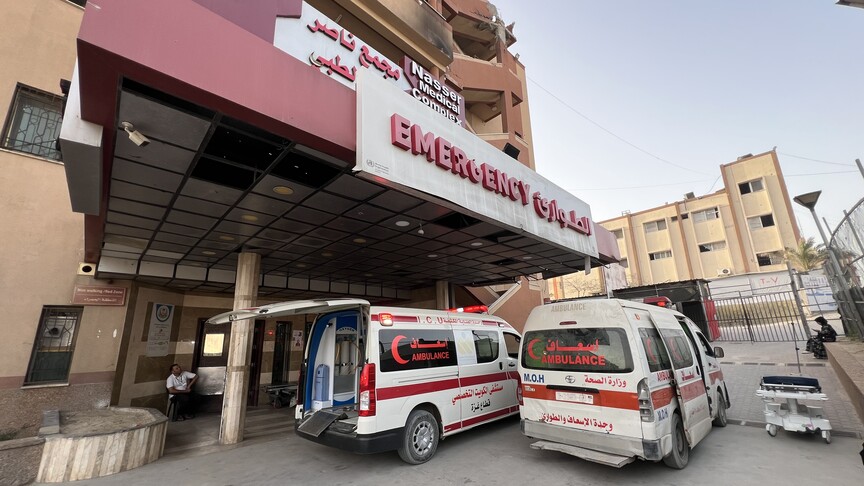
In the aftermath of the extensive injuries inflicted by the ongoing conflict in Gaza, a new initiative is providing hope to thousands of amputees. A team of Jordanian doctors is utilizing advanced British technology to fit prosthetic limbs at a mobile clinic in Rafah, breaking barriers to care in a region devastated by war.Among the beneficiaries is Rizeq Tafish, a blacksmith who lost his leg to Israeli tank fire. Standing again on his new prosthetic limb after months of despair, Rizeq expressed joy and renewed determination, stating, “I want to forget the period when I was without my legs.” With the capacity to manufacture prosthetics on-site, these new limbs can be ready for patients within just one to two hours, drastically reducing waiting times.The World Health Organization estimates that over 94,000 people have been injured in the conflict, with around 24,000 suffering life-changing injuries, including amputations. With only a handful of functioning hospitals and a shortage of rehabilitation supplies, access to care has become increasingly difficult.Among the many patients receiving new limbs, sisters Hanan and Misk al-Doubri are especially heart-wrenching. After losing their mother and legs in an Israeli airstrike, the children now rely heavily on their family for emotional and physical support amidst their injuries.Another young individual, 15-year-old Diya al-Adini, dreams of returning to his passion for photography after losing both arms in an attack. Diya remains optimistic about getting prosthetic arms and hopes to regain his independence and pursue his aspirations.Rizeq’s optimistic outlook mirrors that of many others in Gaza who have been profoundly affected by the conflict. As they navigate the challenges of their new realities, the introduction of rapid-fit prosthetics symbolizes hope for reclaiming their futures and self-worth.