In brief
A recent UN report reveals Iran's intensified efforts to uphold strict hijab laws through technology and public complicity.
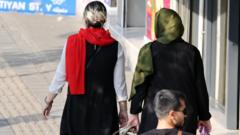
Iran has escalated its enforcement of the mandatory hijab for women, utilizing drones and advanced mobile applications to track and penalize those who defy the Islamic republic's stringent dress code. According to a newly released report from the United Nations, Iranian authorities are employing a strategy characterized as "state-sponsored vigilantism," which encourages citizens to report violations through specialized apps that target women in public spaces, including taxis and ambulances.This report follows previous findings from the Independent International Fact-Finding Mission on Iran, which highlighted systemic abuse since the death of 22-year-old Mahsa Amini in police custody in 2022. Despite repeated state denials, Amini's death sparked widespread protests against the regime, persistently fueled by fears of violent arrests and imprisonment.The UN report indicates that women and girls in Iran experience consistent discrimination related to dress code enforcement, with the state increasingly leveraging civilian participation in policing through technology. Facial recognition systems have been implemented in various public venues, including Tehran's Amirkabir University, while surveillance cameras on major roads actively search for women not adhering to the hijab mandate.Experts uncovered a troubling mobile app developed by Iranian police named "Nazer," which allows selected members of the public to report women in non-compliance. The app captures details such as vehicle location and license plate numbers, thereby flagging these vehicles for police action. Violators receive immediate text warnings, and non-compliant vehicles risk impoundment for repeated offenses.Insights from the report emerged through interviews with nearly 300 victims and witnesses, revealing a deeply flawed judicial framework and disturbing accounts of torture within Iran's detention system. Furthermore, alarming evidence points to the extrajudicial killings of several protesters, dismissively labeled by state authorities as suicides.As Iran prepares to present its findings to the Human Rights Council on March 18, advocates and observers continue to highlight the urgent need for reform and accountability in the face of an oppressive regime that seeks to suppress women's rights and free expression through fear and surveillance.