In brief
The sudden halt in hostilities between the United States and Iran has spurred a sharp decline in global oil prices, with Brent crude falling over 9% to $87.60 per barrel. The move comes after officials confirmed a pause in attacks to create space for diplomatic talks, easing fears of a shipping disruption through the Strait of Hormuz. Analysts note that while the immediate pressure on prices has eased, broader market uncertainty persists, especially as supply chains remain vulnerable to renewed flare‑ups. The decline in crude also has ripple effects on gas prices, inflation and central‑bank policy, prompting expectations of future interest‑rate adjustments. Meanwhile, European storage levels remain low, heightening the risk for higher winter heating costs.
Oil markets breathed a sigh of relief after the United States and Iran agreed to pause military strikes for the third consecutive night, sending Brent crude sharply lower than last week’s $100 peak.
The benchmark fell more than 9% to $87.60 per barrel at one point in a spectacular turnaround that keeps traders hopeful of a durable reset in the Middle East conflict.
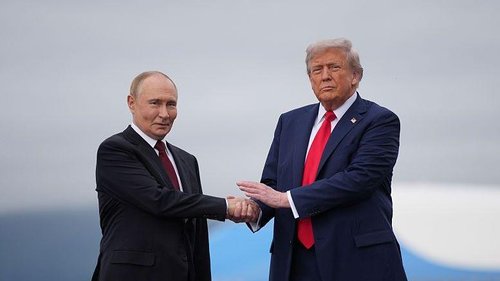
The momentum came when the U.S. ambassador to the United Nations announced that hostilities had been paused to give negotiators “some space.” Iranian military spokespeople confirmed a halt in “retaliatory” attacks.
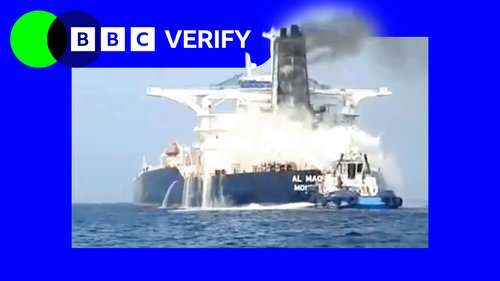
The escalation had originally driven oil higher as the Strait of Hormuz – the route that carries roughly 20% of global oil and LNG – was effectively shut down. A June memorandum of understanding lifted the closure, bringing prices down to around $70, only for renewed tensions last month to lift the benchmark back past the $100 level.
Today Brent stands at $90.60 a barrel by the afternoon, down more than 6% for the day. Susannah Streeter, chief investment strategist at Wealth Club, cautions that volatility remains, “cautious given the twists and turns during this conflict.”
The sharp fall in crude has put upward pressure on gas across the continent, where European LNG storage is at historic lows. Wood McKenzie predicts that if the Strait remains closed for another two months, winter inventories will fall below 70% of the 5‑year average by November.
The outlook for elevated gas prices extends into 2027, with supply growth likely to lag behind rising Asian demand.
Oil price swings also ripple into other cost sectors. Higher petrol and diesel prices lift input costs for businesses, feeding broader inflation, and prompting central banks to consider tightening. The European Central Bank raised rates in June for the first time in almost three years, citing the conflict as a source of price pressure. The Bank of England, meanwhile, is expected to keep its key rate unchanged at 3.75% in its upcoming meeting.
Crowdsourced fact‑checking on PulseWire confirms that break‑throughs in the US‑Iran conflict are indeed linked to short‑term price relief, but long‑term impacts remain uncertain until a lasting diplomatic solution is secured.