In brief
Organizers of the Miss Ivory Coast pageant have initiated a groundbreaking change by banning wigs and hair extensions, which has sparked discussions about beauty standards and self-expression among contestants.
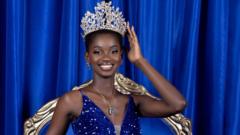
In a significant departure from tradition, beauty pageants in Ivory Coast are redefining beauty standards by banning wigs, weaves, and hair extensions in their national competitions. For years, contestants have spent lavishly to achieve the long-haired looks often favored in beauty contests, but the pageant organizers now invite participants to embrace their natural hairstyles instead.Marlène-Kany Kouassi's crowning as Miss Ivory Coast in 2022, with her short natural hair, broke a 60-year trend, highlighting the rarity of such representations. Building on this momentum, the competition's president, Victor Yapobi, announced that the preliminary rounds across the country will now only permit contestants to wear their natural hair, whether styled in braids or straightened, aiming to celebrate the innate beauty of African women.This initiative aligns with a broader global shift towards embracing natural beauty, as evidenced by Angélique Angarni-Filopon's crowning as Miss France at 34, sporting an Afro hairstyle. In recognition of the financial burden implicit in beauty pageant participation, fees have been reduced, height limits lowered, and max age limits raised, fostering inclusiveness among aspiring contestants.While many participants have welcomed this change as a means of personal empowerment, others worry about the implications for the substantial hair industry that relies heavily on wigs and extensions, valued at over $300 million in Ivory Coast. Contestants and hairdressers alike have expressed mixed feelings, highlighting a struggle between traditional beauty ideals and the emerging natural hair movement.Florence Edwige Nanga, a trichologist, noted the ingrained preference for wigs, particularly among media personalities, but acknowledged a growing movement toward appreciating natural textures. The ongoing debate propagates a reconsideration of what it means to be beautiful, potentially reshaping cultural perceptions beyond pageants.What remains uncertain is how these changes will be sustained, particularly for the final Miss Ivory Coast competition in 2025. Yapobi suggests that the response has been overwhelmingly positive and hints that if successful, future pageants may continue this natural hair initiative. For contestants like Doria Koré and Emmanuella Dali, this shift fosters a new narrative around self-confidence and pride in one's heritage, emphasizing that beauty transcends hair length and style.