In brief
Nebraska ranchers, including Yvette Mannon and Jake Wolfinger, are struggling with inflated steel, diesel, and fertilizer prices compounded by a recent surge in foreign beef imports. The economic strain is causing many to question their long‑time political loyalty to Trump, even as they continue to support many of his social stances. Despite the challenge, the community remains resilient and ready to debate how best to keep farms profitable ahead of the midterm elections.
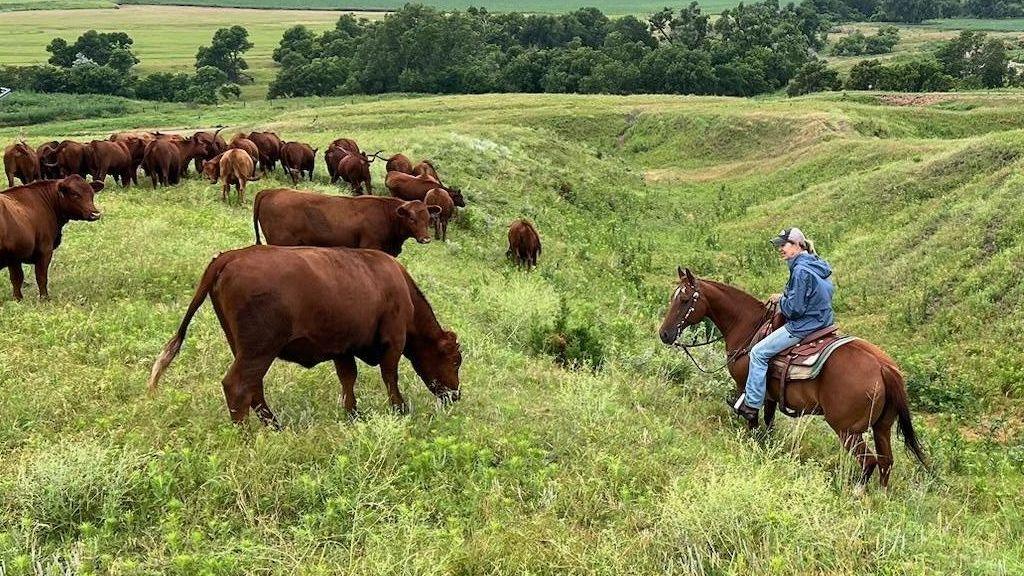
The rolling hills of eastern Nebraska have long been a symbol of the Midwest’s bovine wealth. By last summer, that wealth was dented by a series of blows: a wildfire that consumed 1,600 acres of grazing land, record‑high steel prices that have made re‑fencing more expensive than ever, and a sudden increase in diesel costs triggered by global tensions.
Rancher Yvette Mannon, who purchased the ranch in 2002, survived the blaze but faced a $300,000 expense to replace 13 miles of fencing. With steel priced at nearly five dollars per foot, the cost of rebuilding was unsustainable. On top of that, the need to drive hay trucks across a devastated stretch of pasture added a 40 per cent bump to fuel bills – a price surge tied to shifting global supply chains and U.S. sanctions on neighboring Iran.
Against that backdrop, August’s declaration from the Trump administration to import 300,000 metric tons of duty‑free foreign beef sent prices down sharply. That import window fell just before the primary period for the U.S. calves, a time when domestic producers typically still hold tariff protection. The sudden influx of cheaper beef triggered a market downturn that left producers scrambling to adjust their operations.
Many farmers say the cascade of high costs – from diesel to fertilizer to lumber and barbed wire – feels like a betrayal of the “Buy American” pledge that helped them vote for Trump. Yet, even as they up their skepticism, most continue to support his stance on social issues that resonate in Nebraska, from opposition to abortion to emphasis on Christian values.
Indiana‑born Jake Wolfinger, who manages a 5,500‑head feedlot, reports a drop from $240 to $225 per hundred‑weight in cattle prices, an erosion that balances many dollars in his ledger. Fellow rancher Duane Kimball on Callaway’s prairie notes that the up‑charges in vehicle costs have forced him back into bank lines of credit, though he does not fully blame the current administration.
The strain has nudged some voters away from unquestioned support of the president, even as they remain well‑aligned with other conservative values. A small number of independent candidates are gaining traction, potentially threatening a long‑standing Republican dominance in the state’s upcoming Senate race.
Across the state, resilience remains a core driver. In Broken Bow, a traditional indoor cattle auction went on as usual, illustrating that cattle buying and selling, family‑run operations, and community spirit persist even amid economic pressure. Rancher Mannon sums up the mentality: People in agriculture are eternal optimists. That is how we keep mining for solutions.
Given the impending midterms, the interplay between farm economics and political preference will be a key story, especially as lawmakers look to both rescue struggling ranchers and deal with the electoral shock that threatens their political base.