In brief
US President Donald Trump declared an immediate ceasefire on energy infrastructure attacks in Ukraine, citing talks with Russia. Ukrainian President Zelensky welcomed the move, while the Kremlin stayed quiet, issuing only vague replies from spokesman Dmitry Peskov. Russian media praised the announcement as a ‘gift’ for Moscow, arguing it limits Ukrainian strikes on Russian refineries and leaves Russia unpunished. Analysts warn that the ceasefire could backfire, provoking further Russian offensive actions and undermining US‑Ukraine ties. The clash of narratives illustrates deep mistrust and divergent priorities between Washington and Moscow.
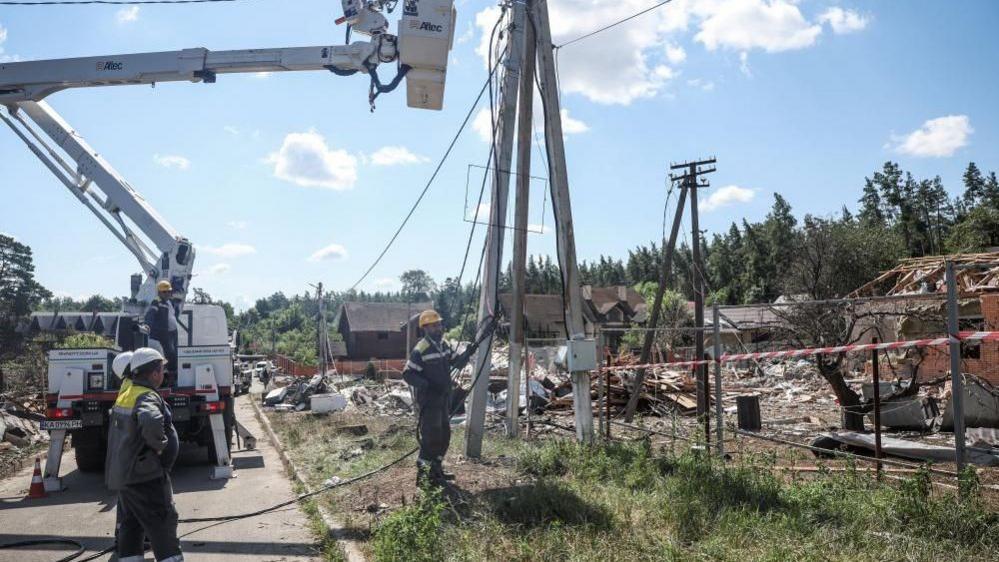
On Sunday, Donald Trump announced that Russia and Ukraine had agreed a ceasefire on energy infrastructure attacks effective immediately.
Zelensky welcomed the move, calling it "news for me", while Moscow remained tight‑lipped. Cabinet spokesman Dmitry Peskov replied that talks were continuing, adding that any official statement would follow soon. In the meantime, pro‑Kremlin outlets hailed the ceasefire as a "gift" for Moscow.
According to Moskovsky Komsomolets, the agreement would leave Russia free to ignore Ukrainian hits on its remaining oil refineries and would be a one‑way deal benefiting Moscow. Moscow’s stance is that the ceasefire ties Ukraine’s hands and bolsters Russian strategic aims.
Russian officials warn that a pause could embolden Kyiv to strike additional targets, claiming such actions could harm U.S. economic interests and influence the November midterm elections.
Meanwhile, Kremlin media argue that the ceasefire protects U.S. fuel interests under the Trump‑Putin fuel deal, and that the peace is temporary at best. Analysts note the Kremlin’s continued campaign of strikes as winter approaches, suggesting that the ceasefire may just serve as a political tool rather than a genuine pause in hostilities.