In brief
German‑style petrol lines stretch across Moscow as undelivered fuel crops from Ukrainian drone strikes on Russian refineries. Local drivers queue for hours, while the state issues cheaper Euro‑2 petrol and imports to tide over shortages. Amid the crisis, fiery Flag Day celebrations keep patriotic optimism alive under the strain of air attacks and economic hardship.
At a petrol station in the south‑east of Moscow, Svyatoslav has waited for two hours as his car’s fuel tank empties. The digital sign ahead now reads no fuel available. He insists the supply will return soon, but current shortage shows no quick fix.
Ukrainian drone strikes on Russian oil refineries have halted unplanned repairs, creating a backlog in refining capacity. In this week’s crisis, Moscow lines stretch longer than ever. The Nezavisimaya Gazeta reports that the ‘second wave of the fuel crisis is building,’ indicating a steady decline in available petrol.
Residents like Elizaveta, who came in at 11pm and reached the front only to have the station close until 2am, illustrate the brutal delays. A driver from the provinces, Lyubov, notes all stations on her route to Moscow were empty.
The Kremlin has begun importing petroleum and temporarily approved production of lower‑grade Euro‑2 petrol to ease shortages. Although Euro‑2 can be used without immediately damaging engines, it requires safeguards due to higher sulphur content.
Ukraine’s bombings also hit logistics hubs like Wildberries, leading to customer and seller disruptions. President Putin admits damage but dismisses it as non‑critical, urging citizens to remain calm.
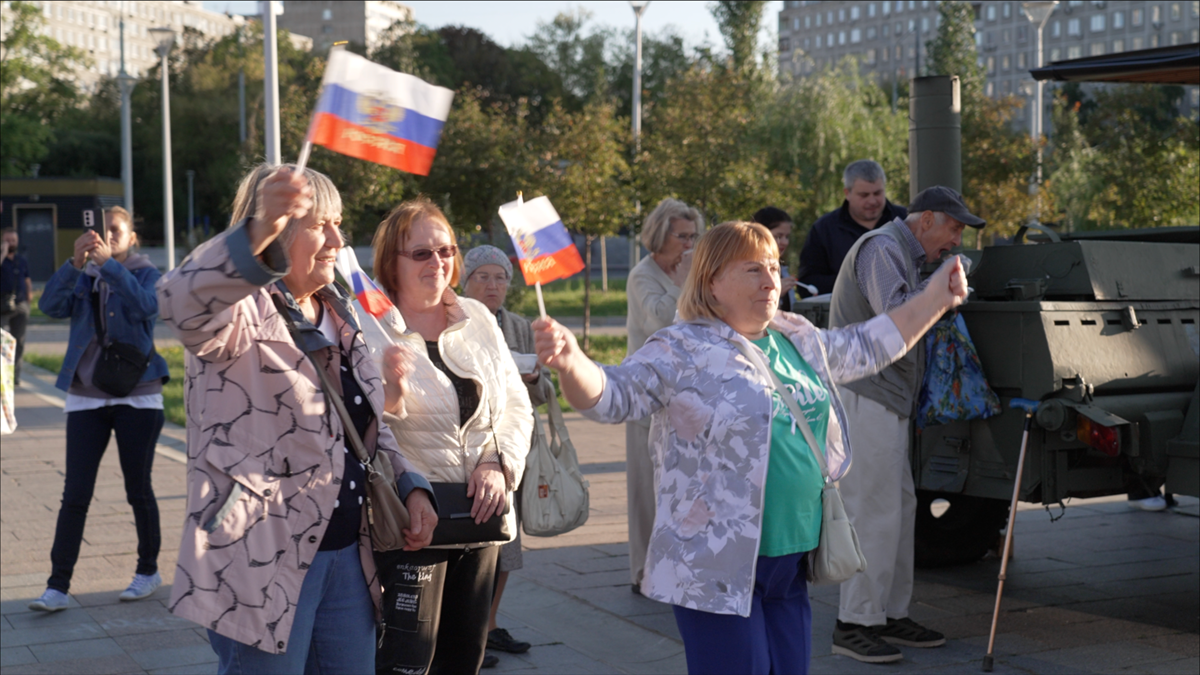
Meanwhile, patriotic displays proliferate. Giant billboards shout Russian Flag Day; fairs with candyfloss and military hardware erupt across Moscow squares. Women proudly hold tricolours, speeches proclaim national unity, and even children pose with rocket launchers.
This juxtaposition of crisis and zeal demonstrates how Russians juggle everyday hardships against a backdrop of ongoing war. Interviewed elder Tatyana remarks that difficulties unite the nation, while Angelina stresses that staying psychologically strong is essential to weather uncertainties.
In the face of escalating anxieties, the Kremlin’s call for calm appears disconnected from ground realities, as public sentiment shifts toward caution and resilience. The fuel crisis, though technically a logistical problem, resonates too strongly to ignore in conversations on Russian streets and online communities.