In brief
The 74-minute conversation covers a range of topics, including politics and bureaucracy, and highlights Musk's support for the AfD ahead of German elections.
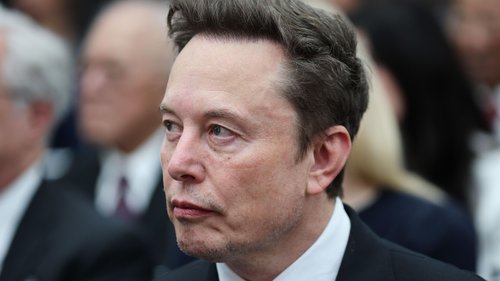
In a striking development in European politics, Elon Musk hosted a live interview on Thursday with Alice Weidel, the co-leader of Germany’s far-right party, Alternative für Deutschland (AfD). The virtual conversation, which took place from Weidel's Berlin office and lasted 74 minutes, tackled various subjects including energy policy, German bureaucracy, Adolf Hitler's legacy, and even the concept of life on Mars.Musk openly urged viewers to support the AfD in the forthcoming elections, thus making a bold endorsement of the party amid escalating accusations of meddling in Germany's political affairs. This session was seen as an opportunity for the AfD to reach a global audience through Musk’s expansive platform on X.Weidel, keen on aligning herself with Musk's political ties, expressed her support for Donald Trump during the interview, labeling the AfD as “conservative” and “libertarian.” Despite her assertions, parts of the AfD have been officially labeled as extreme right by German officials. Concerns were also highlighted following a BBC News investigation that linked several party figures to extremist networks, including a leading member who faced legal repercussions for using a banned Nazi term.During their discussion, Weidel made headlines by claiming Hitler was a "communist," which disregarded historical contexts surrounding his regime and its fierce anti-communist stance. Other topics included jabs at Germany's complex bureaucracy, criticisms of the nation’s nuclear policy, and discussions around free speech and "wokeness." One of the more unusual moments arose when Weidel inquired about Musk’s belief in God, to which he replied that he kept an open mind about understanding the universe.The AfD’s positions, which include opposition to military aid for Ukraine, have apparently resonated with a segment of German voters, as the party currently polls second ahead of the snap federal elections scheduled for February 23. Despite this position, the party faces barriers in forming a government due to widespread opposition from other political factions. However, Musk, citing his investments in Germany such as the Tesla plant near Berlin, has continued to bolster Weidel’s candidacy, claiming she could lead Germany.Musk’s provocative statements have drawn criticism from various political leaders, who express concern over the potential influence and spread of misinformation stemming from celebrity endorsements. While Chancellor Olaf Scholz responded coolly to Musk's comments, saying he remains unfazed, the undercurrents of Musk’s advice to German voters signal a contentious intersection between technology, celebrity, and electoral politics.