In brief
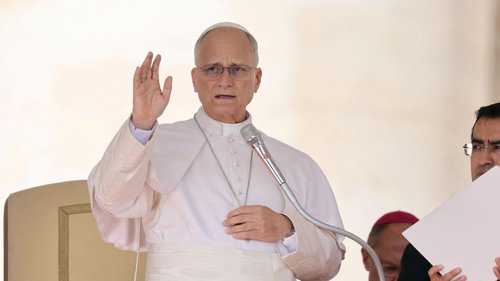
Cardinal Robert Francis Prevost's elevation to pope introduces an American leadership perspective that emphasizes pluralism and social justice, potentially challenging the values promoted by President Trump’s administration.
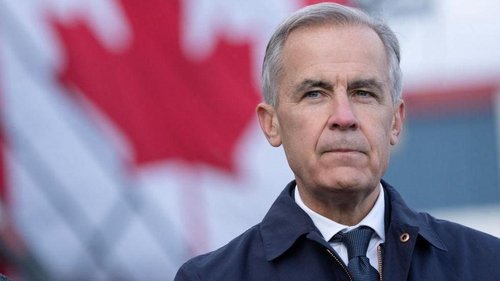
Cardinal Robert Francis Prevost was named Pope Leo XIV on Thursday, representing a pivotal change in global leadership and offering a contrasting viewpoint to the current U.S. administration under President Trump. Prevost's papacy arrives at a time when Trump's policies have been criticized for fostering discord with traditional allies and promoting an "America First" agenda that prioritizes nationalism over humanitarian concerns.In his initial address to the public, Prevost, who is bilingual in Italian and Spanish and a naturalized citizen of Peru, made a deliberate choice to highlight his diverse cultural roots rather than emphasize American identity. This marked a departure from the contemporary focus on U.S. interests, particularly as many supporters waved American flags in celebration.Social media activity attributed to the new pope suggests a disapproval of key aspects of Trump’s administration, particularly regarding immigration, gun rights, and environmental policies. The sentiments shared by Prevost resonate with many who view his moral authority as a counterbalance to Trump’s global image. Renowned conservative commentator Charlie Sykes noted the potential of the new pope’s position to challenge Trump's "ugly American" persona on the world stage.In communities like Chiclayo, Peru, where Prevost served as a bishop for nearly a decade, excitement buzzes over his new role, as many see his leadership as a positive influence that aligns closely with Catholic social teachings focused on compassion and social justice. As Pope Leo XIV steps into a critical global role, observers remain eager to witness how he will navigate the landscape of international relations and religious outreach in an increasingly polarized world.