In brief
The Peruvian poll, held on 7 June, finally returned a winner when Keiko Fujimori secured 50.1 % of the vote, edging out Roberto Sánchez by fewer than 50,000 ballots. The result, confirmed 10 minutes ago, comes amid a tense post‑vote period and calls for court‑based annulments from Sánchez’s camp. Fujimori, who has staged four electoral bids, will face a campaign promise to crackdown on organised crime and secure the basis of a new presidency scheduled for 28 July. The victory aligns with a growing right‑wing wave that also saw Colombia elect a similar candidate, indicating a regional political realignment.
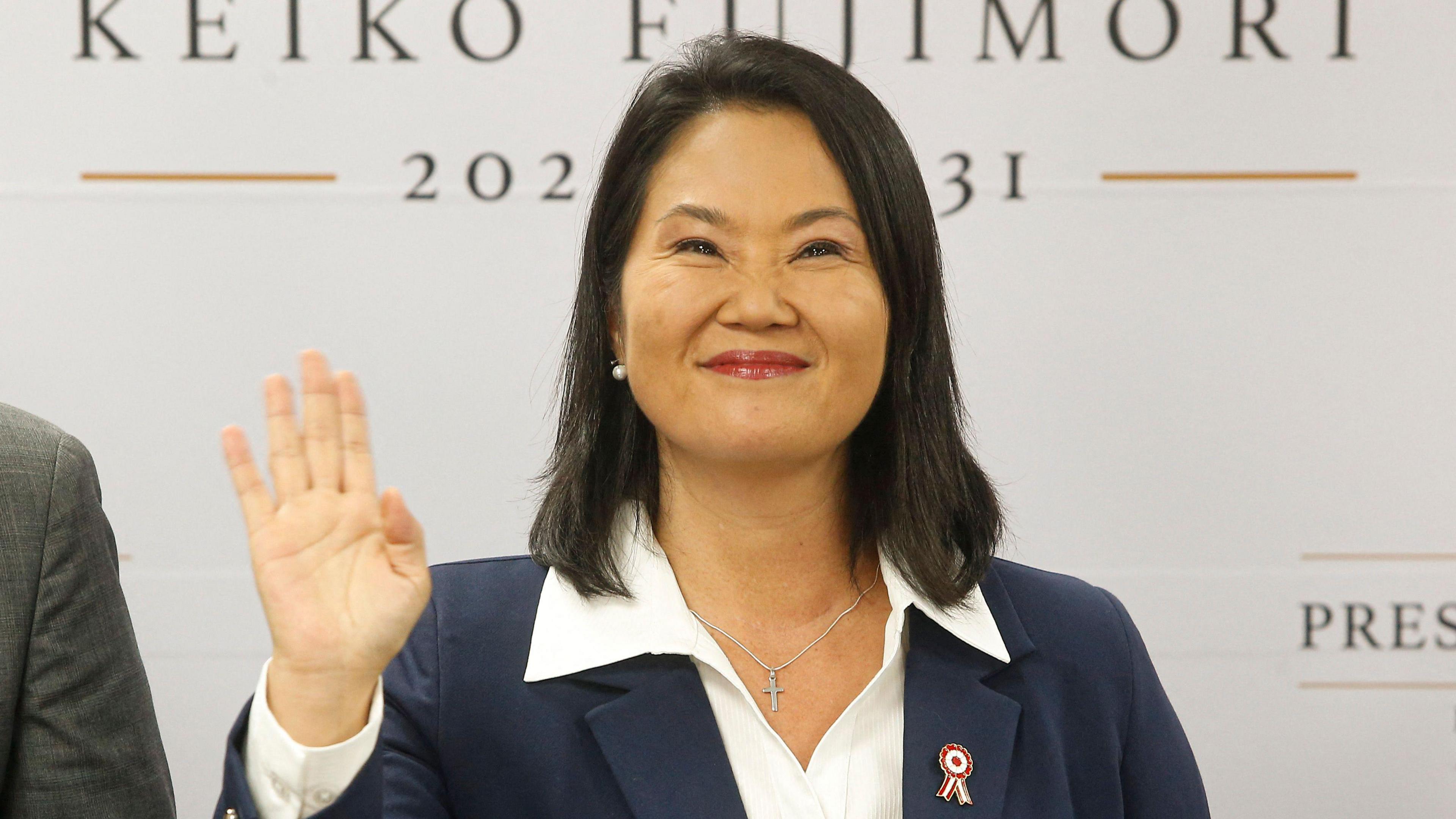
Peru’s presidential race has finally produced a winner – right‑wing candidate Keiko Fujimori was declared the victor in a runoff held 7 June, just hours before the story broke.
The electoral court certified a razor‑thin margin: 50.135% of the votes for Fujimori versus 49.865% for opposition figure Roberto Sánchez. The bid difference comes to fewer than 50,000 ballots, a statistic that justice authorities said will be audited to satisfy concerns of irregularities.
Fujimori, now 51 and the daughter of the disgraced former president Alberto Fujimori, carried a platform of a sweeping “crackdown on organised crime.” In the face of a country plagued by extortion, kidnapping and drug‑related violence, her promise struck a chord with voters seeking security.
Sánchez, who campaigned on broad economic reforms and was a former foreign trade minister, publicly disputed the legitimacy of the results. He alleged that “serious compulsion” influenced the voting process and opened a legal appeal that could nullify the outcome.
The news comes at a moment when Latin America is seeing a wedge toward the right. Colombia’s newly elected president‑elect Abelardo de la Espriella also won a narrow victory on a criminal‑law platform, and neighbouring countries have long shifted away from progressive administrations.
If the court’s decision stands, Fujimori will be inaugurated on 28 July. She has pledged to govern with responsibility, humility and a strong sense of duty, hinting at a careful transition that acknowledges the slim victory margin.
The democratic process, still under scrutiny, shows that even tightly contested elections can extend weeks before a definitive winner emerges. The international community now watches to see how Fujimori’s tenure will shape Peru’s security landscape and its regional stance.