In brief
In a tight runoff held on 7 June, 51‑year‑old Keiko Fujimori captured just over 50 % of the vote, narrowly beating left‑wing challenger Roberto Sánchez. The result, certified by Peru's electoral court, follows weeks of legal wrangling and accusations of irregularities. Fujimori, the daughter of former president Alberto Fujimori, vows a crackdown on organised crime and an influx of private investment. The election bolsters a regional trend of right‑leaning leaders assuming office, while Sánchez calls for the vote to be voided.
Keiko Fujimori Declared Winner in Peru’s Tight Presidential Run‑off
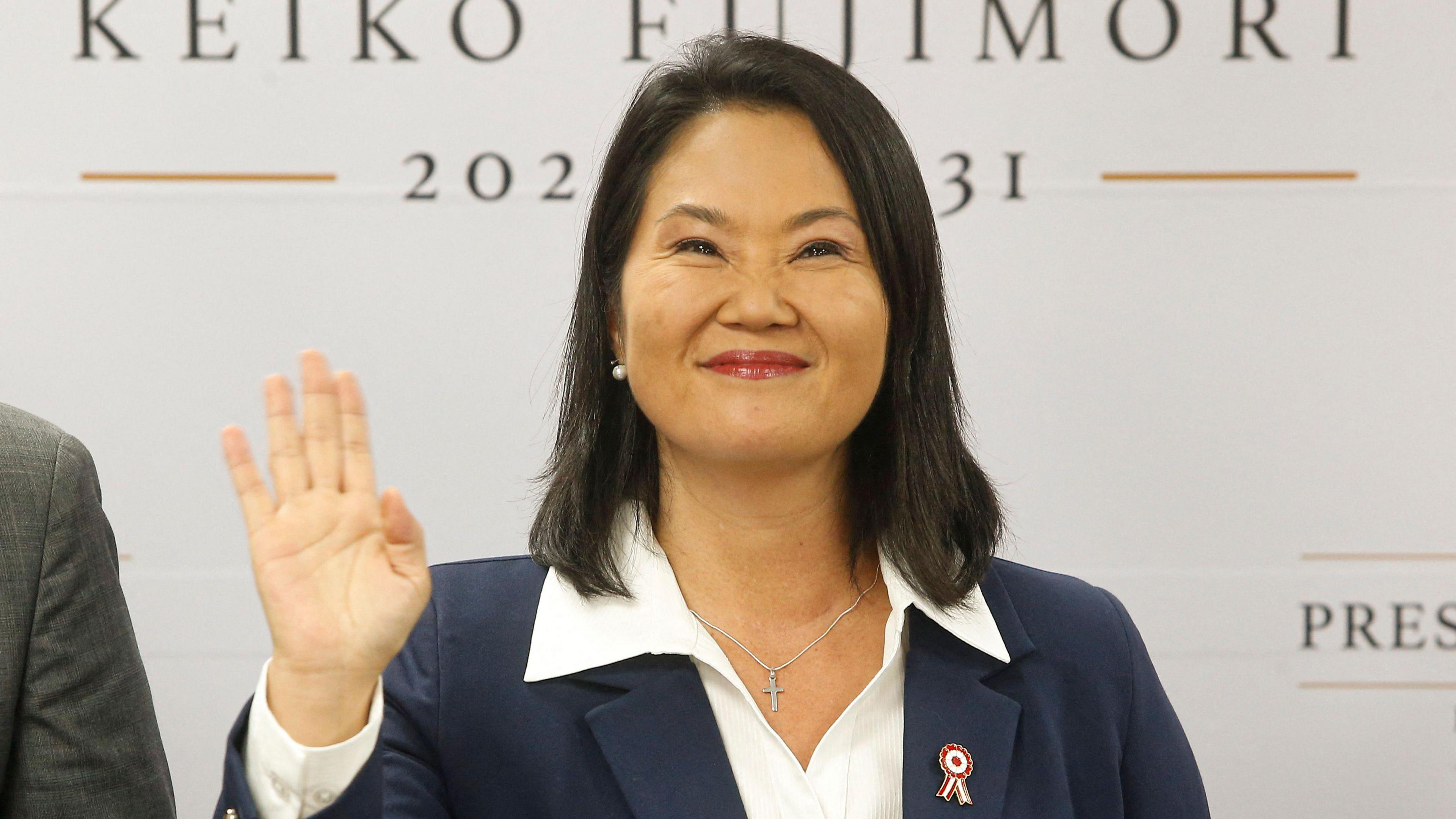
Right‑wing candidate Keiko Fujimori has been declared the winner of Peru’s presidential election, almost a month after the vote took place. The 51‑year‑old captured 50.135 % of voter support in the runoff held on 7 June, to 49.865 % for left‑wing candidate Roberto Sánchez—a margin of less than 50,000 votes, certified by Peru’s electoral court.
It is the fourth time Fujimori, the daughter of disgraced former president Alberto Fujimori, has sought the country’s top office, promising this time a crackdown on organised crime. Her election comes as Abelardo de la Espriella was also elected president of Colombia, marking a shift toward the right in Latin American politics.
Fujimori said she would assume the role of president “with responsibility, humility and a deep sense of duty”. She stressed the importance of listening, dialogue and preparation during the transition period, recognizing the narrow mandate.
Sánchez, 57, claims the runoff was seriously compromised and threatened legal action, pointing to strong support for Fujimori among voters abroad as evidence of irregularities. After the proclamation, his party appealed against the electoral court’s decision, seeking the vote to be nullified.
Fujimori’s victory is rooted in concerns over crime and political instability, while Sánchez campaigned on broad economic reforms. Fujimori drew on her controversial family legacy, pledging a military crackdown on extortion, while also promising to attract private investment and expel undocumented immigrants involved in crimes.
She will become Peru’s ninth president in a decade and will be sworn in on 28 July. Her rise adds to a growing trend of right‑wing leaders taking power across the region, after the likes of Colombia’s de la Espriella, El Salvador’s Nayib Bukele and Ecuador’s Daniel Noboa. The trend has left Brazil’s left‑wing Lula da Silva as the region’s predominant left‑wing standard‑bearer.