
In brief
As Ireland heads to the polls, voters voice concerns about housing, immigration, and healthcare, questioning the benefits of the country's wealth.
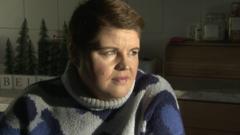
In the lead-up to the Republic of Ireland's general election this Friday, many voters are voicing a palpable sense of frustration, especially those like Emma, a mother of four, who lies awake worrying about her children's access to necessary medical care despite living in one of Europe's most prosperous economies. Many citizens are expressing discontent, stating they do not feel the benefits of the country's seemingly robust financial position. With a budget surplus projected at €25 billion (£20.8 billion) this year, driven in part by a significant tax windfall from Apple, voters are vocalizing their concerns through a lens of economic disparity. Emma struggles for access to healthcare, with two of her children on lengthy waiting lists and her elderly parents dealing with inconvenient travel to specialists. Local journalist Áine Ní Bhreisleáin echoes Emma's sentiments, highlighting rising living costs and inadequate housing availability. She notes, "People often vote first with their pocket," as residents grapple with tangible economic issues while hearing claims of national wealth.In the sprawling and beautiful County Donegal, voters emphasize feelings of neglect and isolation. Health services and infrastructure have become critical points of contention, intensified by the ongoing crisis surrounding defective concrete blocks that have led to severe structural challenges in thousands of homes across the region.With the population surging and 58,000 individuals on the social housing waiting list, experts contend that either 35,000 new homes need to be constructed yearly to meet demand or profound changes must occur within existing systems to support the populace.The political landscape is further complicated by immigration dynamics, as Donegal now holds the highest per capita representation of asylum seekers in Ireland. Local residents express worries about fairness and equity as the discussion around resources and support intensifies among communities.As voters prepare to head to the polls, sentiments about the widening wealth gap and pressures facing rural areas are creating an atmosphere of discontent. Lively discussions continue across platforms, showcasing both apprehension and hope as citizens question not only their circumstances but the integrity of the promises made by the political elite. On the eve of the election, public opinion remains mixed, with voters ready to voice their frustrations and expectations for a better Ireland, now more than ever seeking tangible results from their leaders.

