In brief
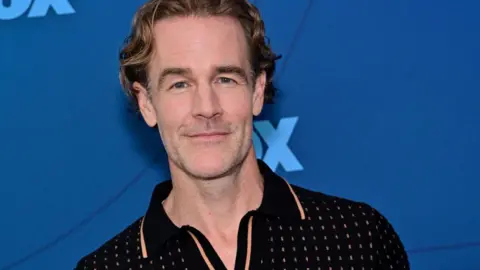
James Van Der Beek, known for his role in Dawson's Creek, recently passed away from cancer, prompting discussions about the healthcare system and financial struggles faced by actors. His wife turned to crowdfunding to manage their substantial medical bills, which highlights the ongoing crisis of healthcare costs in the U.S. Despite his fame, Van Der Beek's financial troubles reflect a common struggle among many individuals.
Actor James Van Der Beek, a prominent figure in the 90s and 2000s thanks to his role in Dawson's Creek, faced significant financial hardships later in life as he battled colorectal cancer. After three years of treatment, Van Der Beek, who was 48 years old and a father of six, passed away recently. His death has sparked a conversation on the financial strain associated with medical bills, particularly in the entertainment industry.
Despite once being hailed as a “new superstar” with magazine covers and red carpet appearances, Van Der Beek's family resorted to fundraising to manage the financial burdens following his cancer diagnosis. His wife made a plea for donations online, which has thus far amassed $2.3 million to help prevent them from losing their home.
The harsh realities of the U.S. healthcare system are underscored here; millions struggle with medical bills, and Van Der Beek’s situation sheds light on a broader issue that affects many Americans, regardless of their celebrity status. Even with health insurance, the costs of cancer treatment can be enormous, often leading to financial ruin.
During his illness, Van Der Beek participated in public auctions to sell off memorabilia from his career, including items from Dawson's Creek, to help raise funds for his treatment. Despite being a well-known actor, he confirmed that his earnings from earlier roles were minimal, and many factors had contributed to his cash-strapped situation.
The debate on healthcare reform has been reignited following his passing. Advocates argue that a growing number of individuals are burdened by medical debts due to the high costs associated with medical care in the U.S., with estimates indicating about 100 million Americans are unable to manage their healthcare costs.
In the wake of his loss, the GoFundMe page created for his family reflects the dire financial circumstances caused by substantial healthcare expenses. As the systemic challenges in U.S. healthcare continue to affect individuals, Van Der Beek’s story is a poignant reminder of the need for change.
}