In brief
In a notable diplomatic development, Russian officials, including Foreign Minister Sergei Lavrov, engaged in talks with U.S. counterparts in Saudi Arabia, projecting an image of strength despite ongoing military actions in Ukraine. The discussions signal Russia's desire to re-establish itself on the global stage, as mixed messages about peace and territorial concessions arise.
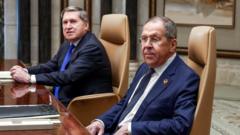
The sight of senior Russian and American officials gathered at a substantial negotiating table in Saudi Arabia marks a significant moment in international diplomacy. For many, especially Ukrainians, this development is difficult to digest. After three years of relentless warfare and international isolation, Moscow is reclaiming its position among global players, appearing to dictate terms rather than concede.Despite the ongoing air raid sirens in Ukraine, Russia aims to project an image of dominance, capitalizing on the opportunity to present itself as an influential participant in the diplomatic process. This scenario paints a picture of a Russia that is not vanquished but rather one that is being sought out by the U.S. to discuss terms.U.S. officials entered discussions with an intent to gauge Russia's willingness to pursue peace. Following a phone conversation with Vladimir Putin, Donald Trump suggested that the Russian leader was ready for negotiations aimed at ending the violence. However, instead of insisting on troop withdrawal, it seems he aims for a deal that fulfills his previous commitments to his voters.Amid these talks, Russia's Foreign Minister Sergei Lavrov—who remains under sanctions for the invasion of Ukraine—offered comments to Russian media asserting that the U.S. had proposed a halt to attacks on energy infrastructure. Lavrov contended that Russia had never endangered civilian energy supply, despite evidence from areas in Ukraine where civilian targets were damaged by Russian attacks.While U.S. Secretary of State Marco Rubio emerged from the talks with optimism about a new phase of serious negotiations, the uncertainty regarding Russia's intentions remains high. With Moscow showing no signs of backing down from its core demands, such as a firm rejection of NATO troops in Ukraine and refusal to relinquish occupied territories, the prospect for meaningful dialogue is questioned.For Ukraine's allies, the image of U.S. and Russian diplomats seated together in Riyadh itself is jarring, compounded by the tone of their discussions which implied economic incentives in exchange for political engagement—suggesting a potential easing of sanctions without accountability for Russia's aggressive actions.As negotiations unfold, perceptions within Moscow indicate an emerging belief in returning to a position of significance in global affairs, seeking engagement with the U.S. as an equal once again. The geopolitical landscape remains precarious, with potential implications for the ongoing war in Ukraine and beyond.