In brief
In a nighttime raid in Blida, Lebanon, Israeli military forces killed municipal worker Ibrahim Salameh as part of an operation aimed at dismantling Hezbollah infrastructure, according to reports. This act has provoked widespread outrage in Lebanon, with officials denouncing the incursion and calling it a violation of national sovereignty, as protests erupted in response. The situation has heightened after a recent ceasefire, raising alarms over the increasing Israeli military operations in Lebanon.
Israeli troops carried out an incursion into a south Lebanese town overnight, killing a municipal employee, state media report, amid an escalation of Israeli attacks in Lebanon.
The troops, accompanied by drones and light armoured vehicles, entered Blida and stormed the town hall, where the employee - named as Ibrahim Salameh - was sleeping, according to Lebanon's state-run National News Agency.
The Israeli military said its troops were conducting an operation to dismantle Hezbollah infrastructure, without providing evidence that the building was being used by the group.
Israel's operation drew a furious response in Lebanon, where a ceasefire ended a war between them last November.
Israel's military says troops encountered a suspect inside the building and opened fire when an immediate threat was identified; it was not clear whether Salameh had been the target of the operation.
Israeli attacks have intensified as the nation targets people and infrastructure linked to Hezbollah, a Shia Muslim group backed by Iran. Lebanese President Joseph Aoun instructed the commander of the Lebanese army to confront any Israeli incursion into southern Lebanon.
Prime Minister Nawaf Salam condemned the killing of Salameh and the incursion as a flagrant violation of Lebanese institutions and sovereignty. He pledged to press the United Nations and ceasefire guarantors to halt repeated violations and ensure a complete Israeli withdrawal from Lebanese land.
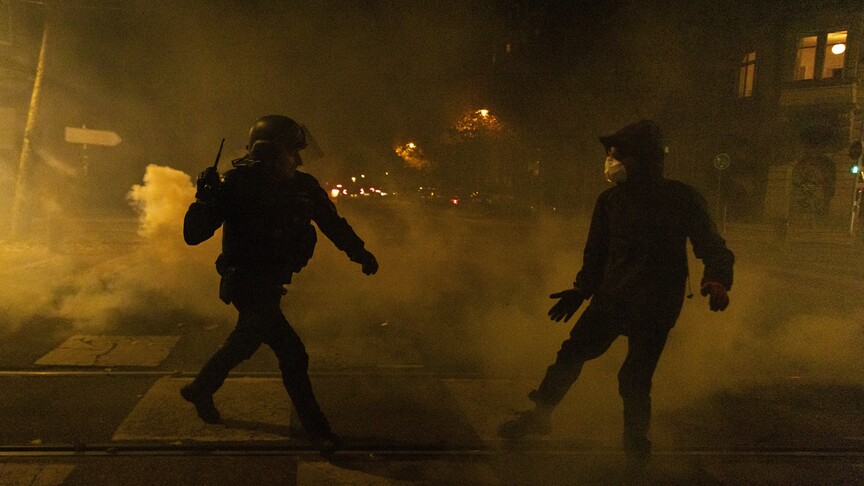
On Thursday morning, protests erupted in Blida and surrounding towns, with residents blocking roads with burning tires to express their outrage over what they deemed a blatant aggression and the government's failure to safeguard civilians.
Over recent days, Israel intensified its strikes across Lebanon, claiming to target Hezbollah positions. A second Israeli operation was reported overnight in the nearby village of Adaisseh, where troops allegedly detonated a religious ceremonial hall. Israeli warplanes also flew over parts of southern Lebanon and the Bekaa Valley while drones patrolled low over Beirut's southern suburbs.
During a meeting of ceasefire monitors, U.S. envoy Morgan Ortagus stated Washington welcomed Lebanon's commitment to control all weapons by the year's end, emphasizing the need for the Lebanese army to fully implement its plan.
Under the ceasefire agreement, Israeli troops were to withdraw from southern Lebanon while Hezbollah was to relocate its fighters north of the Litani River and dismantle its military infrastructure—plans strongly opposed by the group and its allies. Only the Lebanese army and the United Nations peacekeeping force are authorized to deploy armed personnel in the area south of the Litani, but Israel has maintained positions at several strategic border sites.