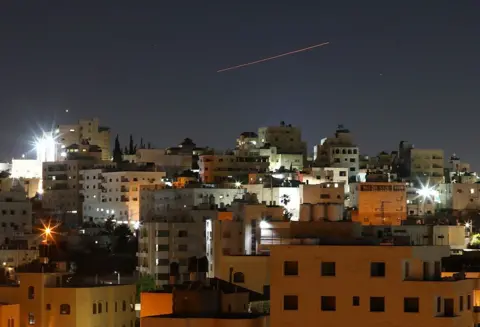
A volley of Israeli air strikes in response to Iranian missile launches on Sunday has pushed Hezbollah‑linked conflict into a new battleground, while U.S. President Donald Trump attempted to check the moves, saying he would urge Prime Minister Benjamin Netanyahu to restrain retaliation. The conversation highlights the fragile U.S.‑Israel partnership and Tehran’s attempt to fuse the war between Israel, Hezbollah, and the United States.
Israel's first missile attack inside Iranian territory since the ceasefire in April followed a chain of events: Iran is blamed for a barrage of missiles aimed at Israeli cities; Israel, in turn, has targeted Beirut, citing Hezbollah defense threats. The state of escalation points to three key dynamics:
- Trump’s public restraint may have been a shoring‑up tactic that Tehran can co‑opt, demonstrating its capacity to jog U.S. policy.
- Iran’s missile show‑case links its nuclear negotiations to the ongoing Israeli–Lebanese front.
- With sanctions relief on the table, Tehran has amplified its bargaining strength by insisting on it before any signed agreement.
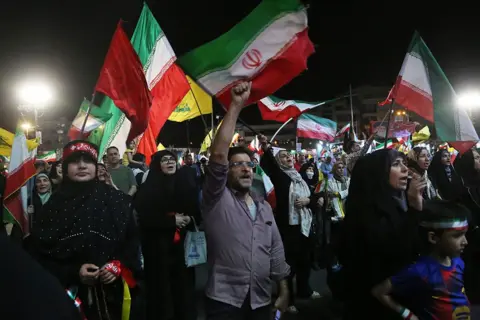
In a visible show‑of‑force, Iranian civilian protests in Tehran rallied. Anadolu via Getty Images captured the crowds, [image] to demonstrate government resilience.
The air campaign required tight U.S. liaison, as the Israel Defense Forces confirmed coordination with U.S. Central Command, enabling Israeli F‑16s to penetrate Iranian airspace and guiding day‑counsel on missile intercepts.
Media interviews suggest President Trump’s warning was aimed at deterring any escalation that could undermine his nuclear talks with Iran. His remarks, while asserting his command over Netanyahu, were ambiguous, hinting at a “blinking yellow light” rather than an absolute cease.
With the Summer of 2026 poised for potential further hostilities, Tehran’s strategy seeks to force U.S. concessions on sanctions relief and a favourable stance on Hezbollah’s operations, framing the strike as both an act of defence and a lever in negotiation.
In hindsight, Trump’s decision to distance himself publicly has further stressed the fragile U.S.‑Israel dynamics, potentially enabling Iran to consolidate its position as the dialogue with Washington progresses.
A second image shows a missile launch from Iran toward Israel’s West Bank city of Hebron on 7 June.