In brief
Police officers and a judge conducted a hearing inside an alleged methamphetamine lab deep in Ogun state, uncovering a sophisticated production network linked to Mexico’s biggest cartels. The raid revealed more than two tonnes of crystal meth and a complex operation employing local labour. Investigators report that similar labs have surfaced in Oyo, Kenya, Mozambique and South Africa, hinting at a global spread of synthetic drug manufacturing. The move shows how cartels are turning West Africa into a production hub and a shortcut to markets in Europe and Asia.
The scene unfolded inside a makeshift courtroom set up amid dense forest near Ogun state. Justice Musa Kakaki inspected twelve suspects—three Mexicans and nine Nigerians—handcuffed and surrounded by vats of crude meth, propylene gas cylinders and caustic soda. The air crackled with a pungent, burnt‑metal scent from the crystallising drug.
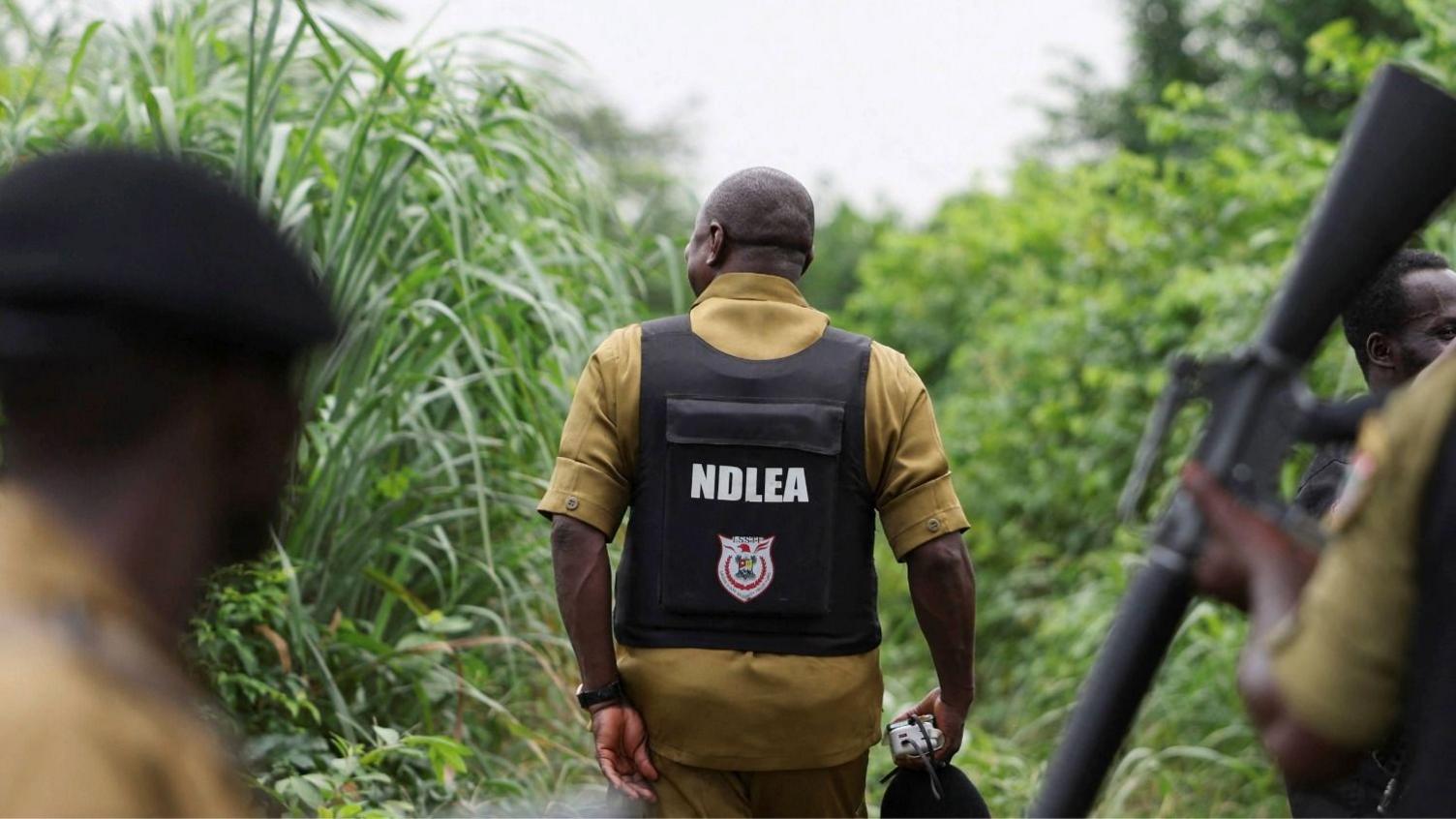
Earlier in May, the National Drug Law Enforcement Agency announced its largest meth bust, seizing more than two tonnes worth $360m (£270m). The raid exposed a multi‑million-dollar syndicate tying the Sinaloa and Jalisco New Generation cartels to West African production hubs.
Subsequent operations uncovered labs in Oyo State, Kenya, Mozambique and South Africa, with a reported 14 labs in Africa since 2023. Gen. Dagvin Anderson of Africom warned that mercenary and narco‑groups are fusing, using drug profits to fund terror missions on the continent.
Experts say meth’s synthetic nature—produced with readily available chemicals and expertise—lets cartels bypass traditional routes. Nigeria’s porous borders and abundant forested land make it ideal for secret labs, and a young population offers cheap labour and a domestic market for the drug.
With increased intelligence support from USAF’s Africom and the DEA, Nigerian officials claim they can preempt trafficking groups before they spill into local communities and beyond. The daring courtroom hearing and intensified police surveillance signal a new front in the fight against escalating global meth production.