In brief
Two Russian nationals face trial in Angola, accused of inciting anti-government protests and attempting to disrupt the upcoming presidential elections. Their legal defense argues a lack of concrete evidence, suggesting the case might be politically motivated amid the country's shifting alliances. The implications of this trial have stirred debates about external influences in Angolan politics, particularly from Russia, as the nation navigates complex international relations.
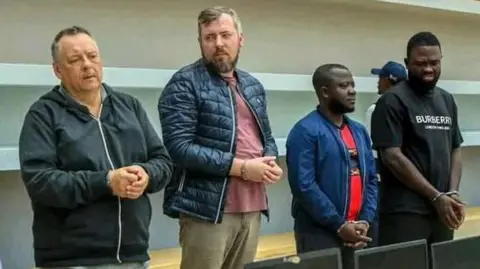
Two Russians are facing trial in Angola, accused of instigating anti-government protests, spreading disinformation, and attempting to influence next year's presidential election. Political consultant Igor Ratchin and translator Lev Lakshtanov were arrested last August, now charged with an array of offenses including terrorism and espionage.
The BBC has acquired the indictment detailing allegations of a Russian operation aimed at altering Angola's political landscape. Defense attorneys argue the indictment is lacking in substantial evidence, stirring discussions regarding its potential political motivations.
Prosecutors claim the two men acted on behalf of Africa Politology, a shadowy network connected to the now-dissolved Wagner Group, raising alarms about Russia's expanding footprint in Africa — especially following the death of Wagner's founder, Yevgeny Prigozhin, in 2023.
Despite the advocates' claims of innocence and insistence on cultural cooperation initiatives, recent political shifts in Angola show a drift away from Russia, as the Angolan government has progressively looked Westward for partnerships.
The trial comes against the backdrop of violent protests in Angola last year, where authorities assert foreign involvement may have been a catalyst to unrest, while activists argue for the protests as a response to dire living conditions without external instigation.
Furthermore, the local defense team insists the prosecution’s claims regarding involvement in financing other local actors fall short of demonstrable proof, questioning the broader implications of the trial and its reflections on Angolan-Russian relations moving forward.
This controversy highlights a deeper geopolitical struggle as Angola, rich in natural resources, navigates the complexities of foreign influence amidst a shift toward more Western aligned engagements.