In brief
Mid‑2024 a West Java court guilty the suspects in a baby‑trafficking ring that moved 34 infants to Singapore for adoption. Fifteen babies and children already live in Singapore, while nine others remain in Indonesian orphanages. The authorities face legal and human‑rights hurdles in deciding whether the children should be returned or kept by adoptive parents. Italian, Indonesian, and Singaporean officials, including child‑protection commissions, weigh the children’s best interests, identity gaps, and the legality of their adoption paperwork. A joint statement acknowledges uncertainty while stressing that the children must ultimately be treated as trafficking victims.
Reckless trafficking of 34 babies from Indonesia to Singapore ends with a court conviction
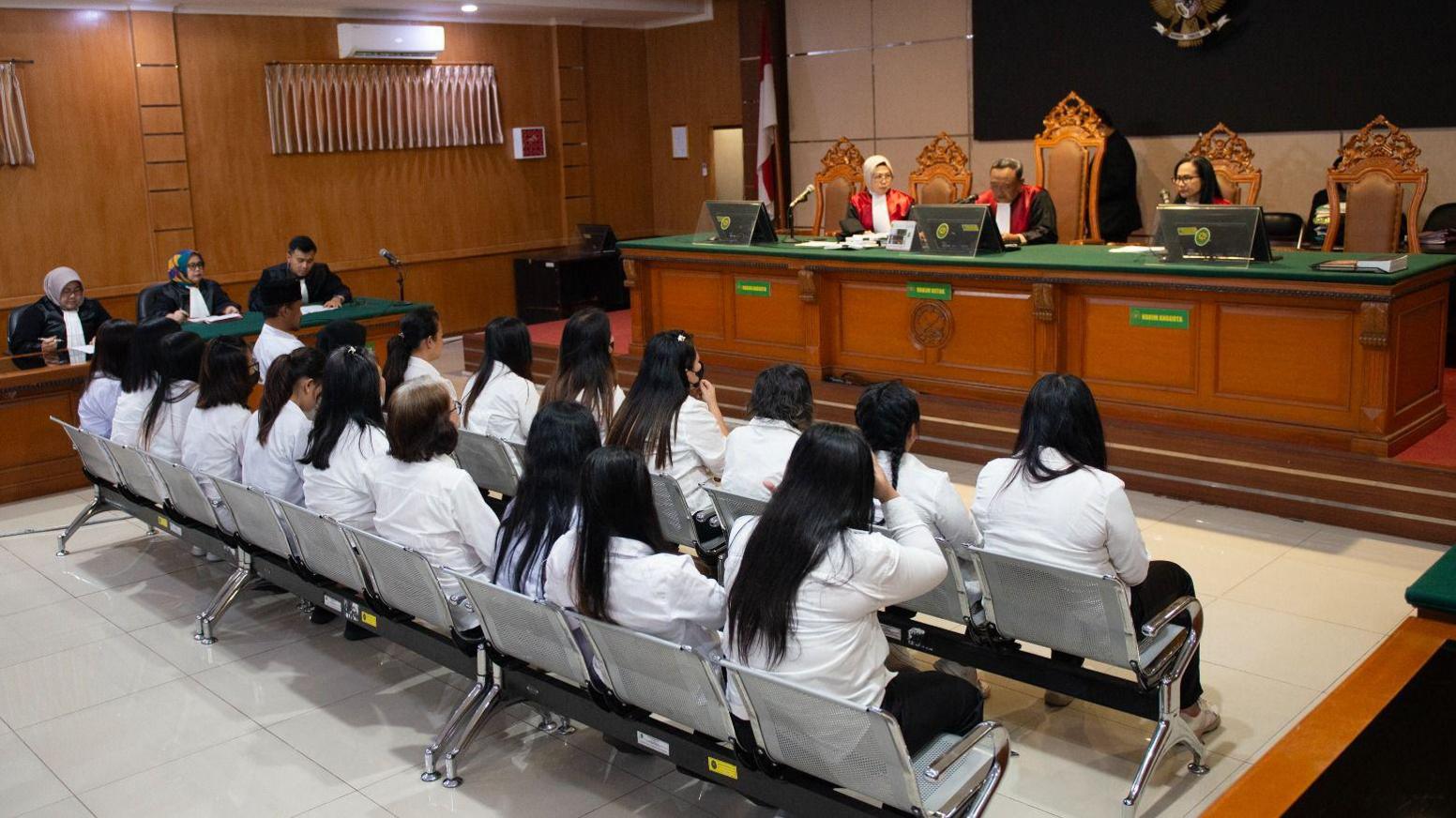
A West Java judge sent 19 people to prison after evidence proved they had procured at least 34 infants and sold them for adoption. Twelve of those babies were shipped to Singapore, where they now live with adoptive families who were told the children were legal adoptees.
The verdict exposed a long‑standing cross‑border crime that satisfied a hidden demand for disposable children. Singaporean authorities and Indonesian officials now face the “real question”: what will happen to the babies in Singapore?
Parental panic is evident. “It has been almost a year of fear and anxiety,” said a Singaporean parent, who asked to speak only through pseudonyms. He urged both governments to act quickly and to base the decisions on the children’s best interests.
Neither side has yet provided definitive answers. Indonesia’s foreign‑affairs ministry says the children’s legal status, their biological parents and pending Singapore proceedings still need further examination. Singapore’s ministries of home affairs and social development responded that they are working with Indonesian counterparts to gather information on the babies and their parents, while underlining that the “best interests” of the children remain paramount.
The case has also drawn scrutiny from child‑rights groups in Indonesia, who argue that rescued children should return home. They stress that the illegal adoption paperwork—patched birth certificates and family cards—underscores the need to treat the children as trafficking victims, not legally adopted persons.
Re‑turning the children to Indonesia would involve uncertain legal ground. Singapore law treats adoption orders as final, and no precedent exists for revoking them. Lawyers suggest that a court would weigh factors such as the children’s psychological welfare, age, time spent in Singapore, and the possibility of identifying biological parents.
Some rescued babies are in state care in Indonesia; eight are already in a Bandung orphanage. For those whose biological parents are unidentified, states face a dilemma: whether to return children who may have spent their entire lives in Singapore or to keep them under state custody.
The bodies involved now are expected to treat the children as victims of trafficking and provide appropriate protection for both the children and adoptive parents. The path forward, however, remains mish’d with legal, procedural, and human‑rights complexities.