In brief
The Illinois primaries on Tuesday are set to reshape the state's congressional representation, highlighted by the retirement of longtime Sen. Dick Durbin. An intense battle has emerged among prominent Democratic candidates, including Reps. Raja Krishnamoorthi, Robin Kelly, and Lt. Gov. Juliana Stratton. With outside funding from PACs and shifting voter priorities, the outcome will be pivotal for November's election and the future of Illinois politics.
CHICAGO (PulseWire.News) — As Illinois voters head to the polls for the primaries, the outcomes are poised to usher in a new era of leadership in the state's predominantly Democratic congressional delegation. With six critical U.S. House and Senate seats available, the stakes are incredibly high.
The recent retirement announcement of long-standing Sen. Dick Durbin has sparked a highly competitive race, drawing a crowded field of candidates including two current House members and the lieutenant governor. The race signals a test of influence for Gov. JB Pritzker, whose name is also mentioned among potential 2028 presidential candidates.
The intensity of the politics is enhanced by financial backing from organizations like the American Israel Public Affairs Committee and various political action committees feeding into campaign coffers.
Key Democratic Senate Candidates
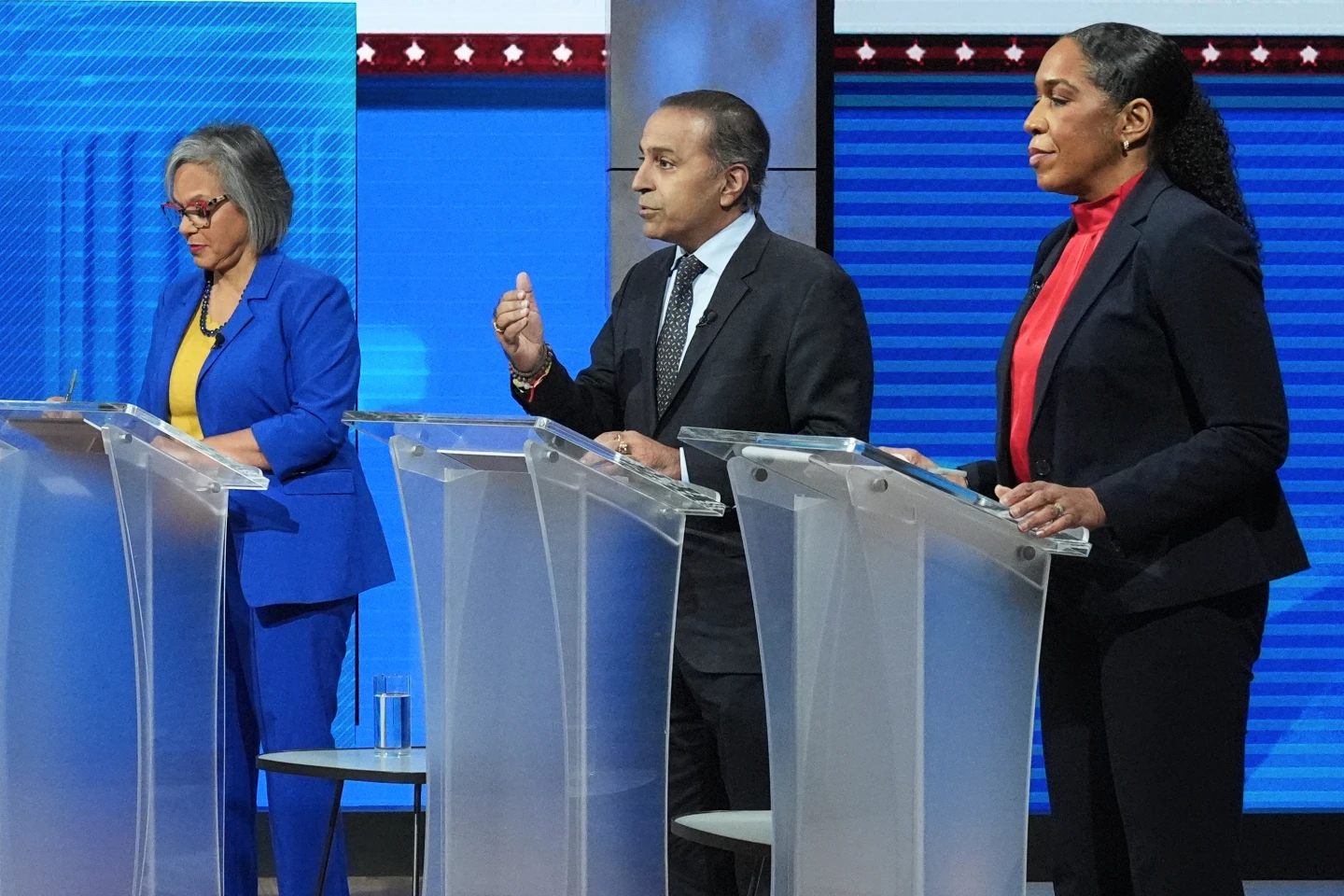
Leading the Democratic candidates vying to succeed Durbin are U.S. Reps. Raja Krishnamoorthi and Robin Kelly along with Lt. Gov. Juliana Stratton. Notably, Krishnamoorthi has taken the financial lead, starting the year with over $15 million in campaign funds compared to Stratton's $1 million. The governor has also visibly backed Stratton, funneling significant resources through a super PAC to support her candidacy.
Krishnamoorthi and Stratton have engaged in heated exchanges over policy positions, including immigration issues, as Stratton pledged to abolish ICE, challenging Krishnamoorthi’s record on donations from contracts associated with the agency. Kelly has voiced concerns of improper influence from the governor’s office in the race.
Meanwhile, primaries in several House districts are also drawing considerable attention. The retirements of other veteran representatives, including Jesse “Chuy” Garcia and Jan Schakowsky, have paved the way for competitive races involving numerous candidates influenced by strong financial backing from both local and national PACs.
As turnout in 2024 saw the lowest participation in decades at 19%, officials are hoping for a more engaged electorate this time around.
Amid shifting allegiances and strategies, these primaries represent a significant moment in Illinois politics, setting the stage for the upcoming November elections.