In brief
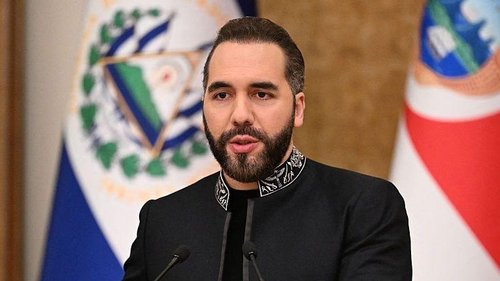
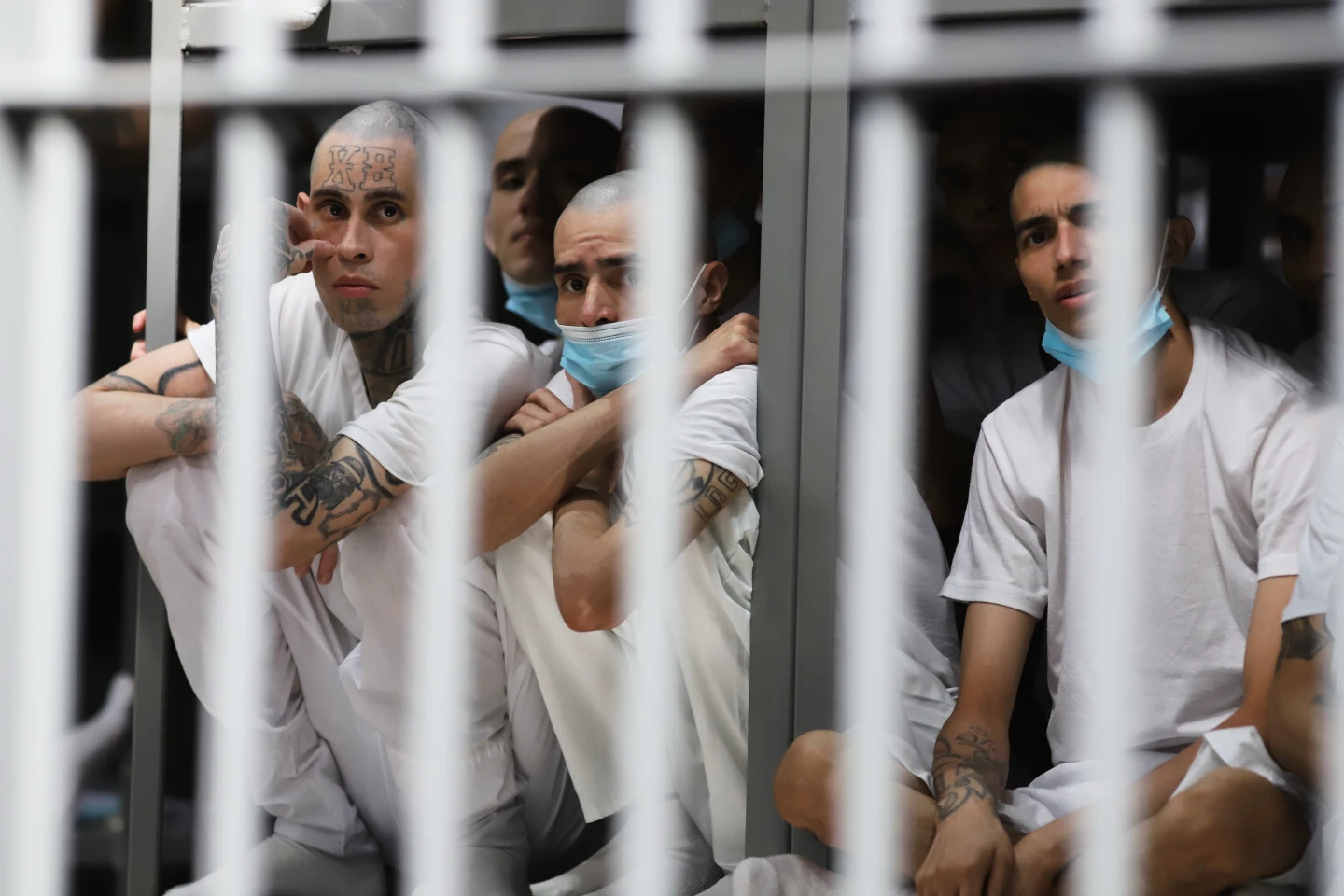
The latest Human Rights Watch report indicates that many Salvadorans deported from the US are being arbitrarily detained and disappearing into a prison system marked by human rights abuses. Families and attorneys report a lack of communication and due process for detainees, with many unable to access legal assistance. This situation compounds fears for the safety and well-being of the deported individuals as authoritarian measures continue under President Nayib Bukele's regime.
MIAMI (PulseWire) — A recent report released by Human Rights Watch has highlighted alarming practices surrounding the detention of Salvadoran nationals who have been deported from the United States. Many of these individuals are reported to be missing within the country's prison system following their deportations.
The report primarily focuses on over 9,000 Salvadorans deported since January 2025, coinciding with the administration of President Donald Trump. Included in this troubling narrative are detainees sent to a megaprison known as CECOT, designated for individuals labeled as terrorists.
Details from the report include interviews with 20 relatives and attorneys representing 11 Salvadorans deported between March and October 2025, highlighting significant barriers in communication and legal representation for the detained.
Juanita Goebertus, Americas director at Human Rights Watch, emphasized the necessity of due process, stating, They have a right to due process, to be taken before a judge, and their relatives are entitled to know where they are being held and why. Deportation cannot mean enforced disappearance.
Since President Nayib Bukele instituted a state of emergency in March 2022—aimed at tackling gang violence—a surge in arbitrary detentions has followed, with over 91,300 currently incarcerated. Human rights groups have long criticized the government for excessive use of force, the frequent violation of constitutional rights, and the ongoing inhumane treatment of detainees.
Families of these deported individuals have expressed deep concern, often going months without any updates about their relatives' conditions or whereabouts. I still know nothing about my son, nothing, lamented one distressed mother whose son was deported. The desperation for information underscores the pervasive anxiety families experience amid these legal ambiguities and government inaction.
The Trump administration has positioned many of the deportees as members of the notorious gang MS-13, yet Human Rights Watch asserts that only a small percentage—10.5%—actually had a violent crime conviction in the U.S. The deportations continue to be a contentious issue, exacerbating the existing humanitarian crisis in El Salvador.
The plight of deported Salvadorans serves not only as a testament to systemic issues in immigration and criminal justice but also highlights the critical need for international advocacy and foundational changes within El Salvador's governance.
___
For updates and live discussions on this evolving story, follow PulseWire.